

The Golden State’s Bold Proposal: A Wealth Tax Ignites Controversy
California, often at the forefront of progressive policy, is once again making headlines with a controversial proposition: a statewide wealth tax targeting its richest residents. This ambitious plan, which proposes an annual 1.5% levy on assets exceeding $1 billion, even if individuals leave the state for up to a decade, aims to address widening economic inequality and bolster public services. However, the initiative has quickly drawn the ire of some of the state’s most influential business leaders, sparking a contentious debate over its potential ramifications.
A Chorus of Concern from Business Titans
From tech moguls to venture capitalists, prominent figures across Silicon Valley and beyond are voicing strong opposition to the proposed wealth tax. Their concerns span economic impact, legal challenges, and fundamental questions of fairness.
Economic Exodus Fears
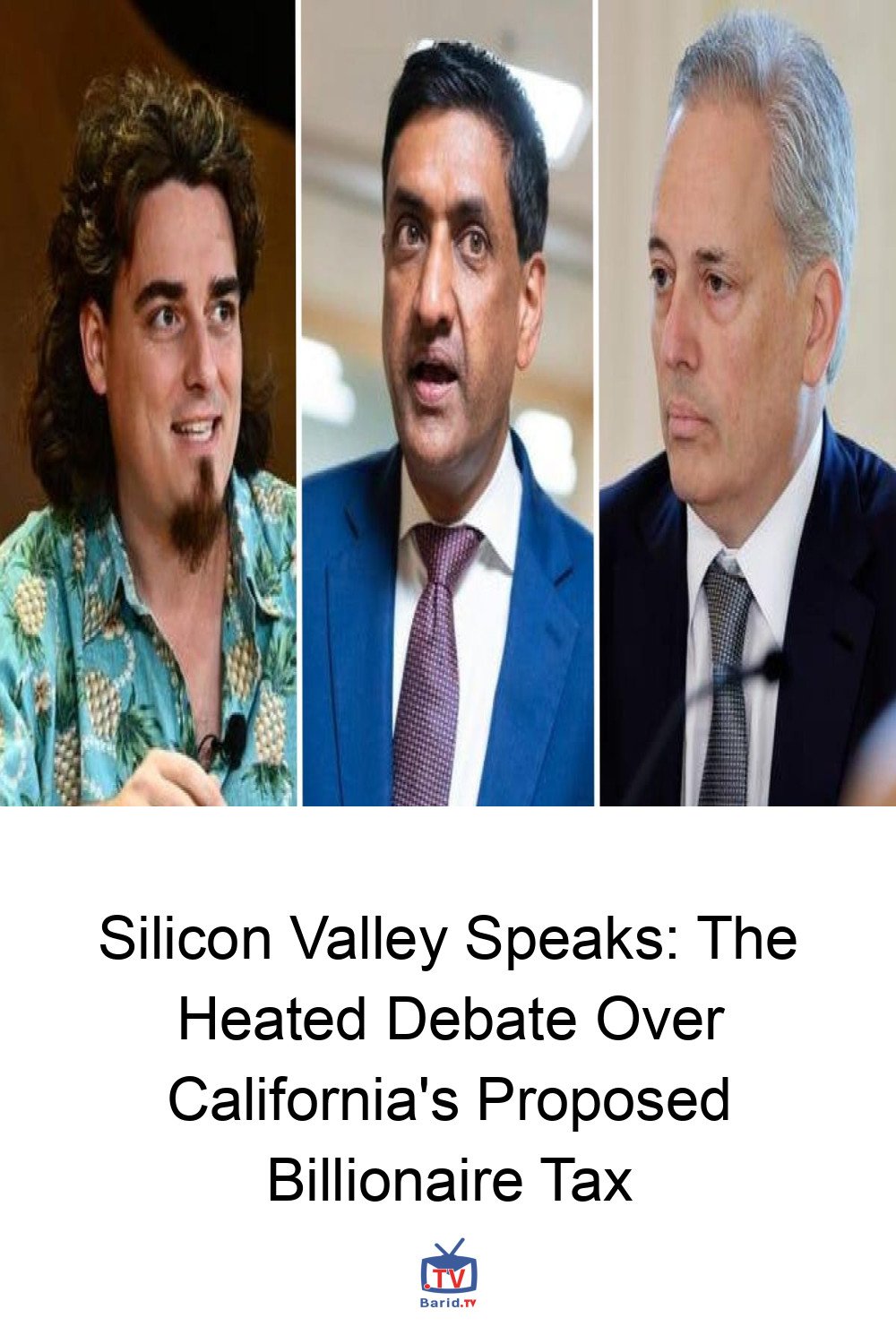
A primary apprehension among business leaders is the potential for an ‘economic exodus.’ Critics argue that such a tax would incentivize high-net-worth individuals and their businesses to relocate, taking with them investment capital, job creation, and philanthropic contributions. Palmer Luckey, founder of Oculus VR, and investor David Sacks are among those who have publicly expressed worries that this could erode California’s competitive edge and stifle innovation, ultimately harming the state’s broader economy rather than helping it.
Legality and Practicality Under Scrutiny
Beyond economic concerns, the proposed tax faces significant legal hurdles. Opponents question its constitutionality, particularly provisions that seek to tax individuals who have moved out of state, raising issues related to interstate commerce and due process. Furthermore, the practical challenges of accurately valuing complex assets like private company stakes, art collections, and intellectual property on an annual basis are formidable, potentially leading to administrative nightmares and endless litigation.
A Question of Fairness and Incentives
Many business leaders also argue that the wealth tax is fundamentally unfair, punishing success and disincentivizing entrepreneurship. They contend that wealth is often already taxed through capital gains, property taxes, and estate taxes, and that an additional annual levy could be seen as double taxation. The fear is that such a policy could discourage risk-taking and investment, which are vital engines of economic growth and job creation.
The Broader Implications: A National Precedent?
The debate in California is not isolated. It reflects a growing national and global conversation about wealth redistribution and the role of the ultra-rich in society. Should California’s wealth tax pass and withstand legal challenges, it could set a powerful precedent, potentially inspiring similar legislation in other states or even at the federal level. The outcome in the Golden State will undoubtedly be watched closely by policymakers, economists, and the wealthy elite across the nation.
As California grapples with its housing crisis, income disparities, and public funding needs, the proposed billionaire tax represents a bold attempt to address these challenges. Yet, the fierce pushback from its most affluent citizens underscores the complex tension between progressive taxation goals and the concerns of those who drive much of the state’s economic engine. The coming months promise a heated battle, both in the legislature and in the court of public opinion.
For more details, visit our website.
Source: Link