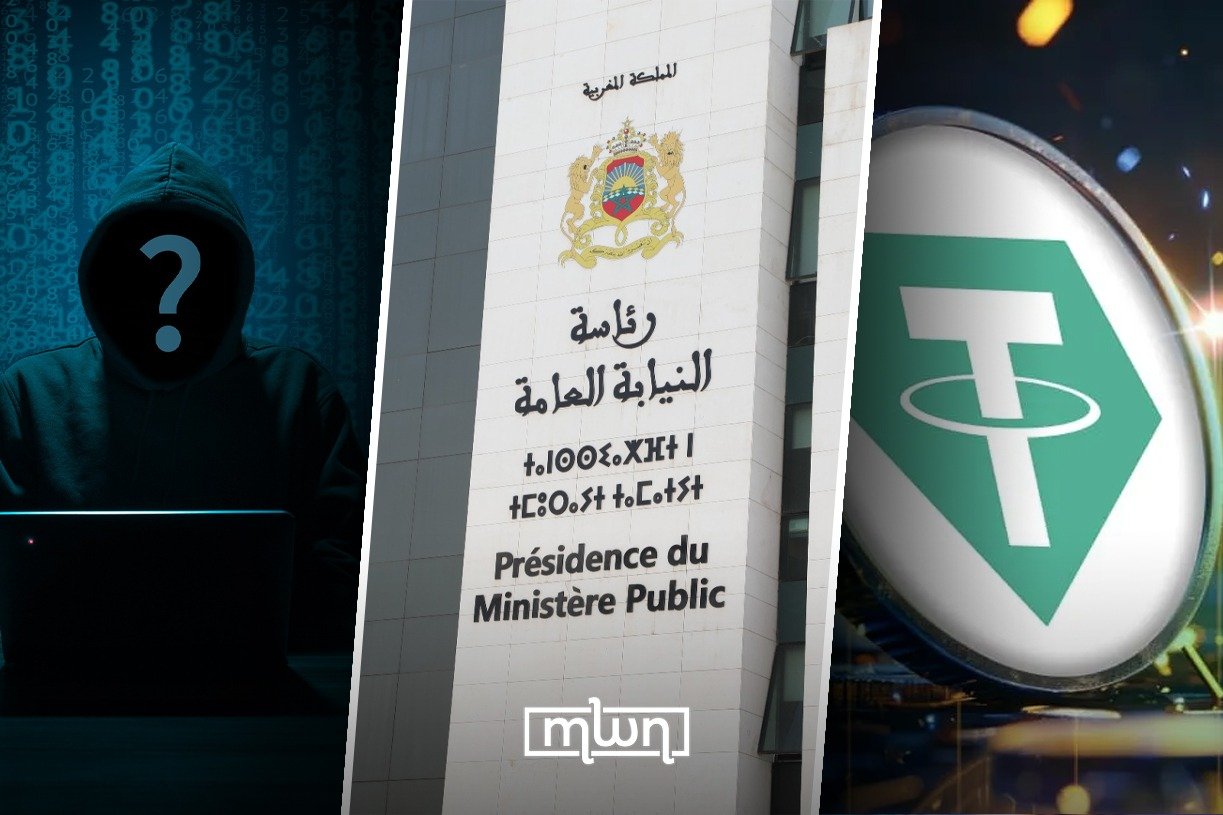

Morocco Confronts a Surge in Digital Crime and Terror Financing
Morocco’s judicial landscape in 2024 was significantly shaped by a dramatic increase in technology-enabled offenses, with authorities registering over 500 cybercrime cases. This surge, detailed in the 2024 Report of the Presidency of the Public Prosecution, underscores the escalating role of digital tools in facilitating both organized crime and terrorism-related activities. Beyond the sheer volume of digital infractions, the report highlights a particularly concerning trend: the growing reliance of extremist networks on advanced financial mechanisms, including digital currencies, to fund their operations.
The Expanding Web of Cybercrime in Morocco
The 2024 report paints a stark picture of Morocco’s vulnerability to digital malfeasance. Investigations linked to the misuse of information systems soared, reflecting a broader societal shift towards online interactions that criminals are quick to exploit. These aren’t isolated incidents but increasingly involve sophisticated, organized structures capable of leveraging digital infrastructure at scale.
A Digital Crime Wave: Numbers Speak
With more than 500 cases of offenses committed through electronic and information systems, Moroccan authorities are grappling with a diverse array of digital threats. The sheer volume signals a critical challenge for national security and public safety.
Diverse Digital Offenses
The spectrum of cybercrimes recorded is broad, encompassing:
- Online fraud and scams
- Sexual harassment perpetrated via electronic messages or recordings
- Incitement to commit crimes through digital platforms
- Offenses related to harmful digital content, including child exploitation and the production/distribution of obscene material using information systems.
The increasing reliance on online services and electronic transactions has inadvertently widened the exposure of individuals and institutions, contributing to the sustained volume of these cyber-related cases.
Cryptocurrency: The New Frontier for Terror Financing
Perhaps the most alarming revelation from the report is the evolving methodology in terrorism financing. In 2024, 116 terrorism-related cases were registered, involving 134 suspects, with judicial proceedings initiated in 96 of these. Crucially, security services have flagged a distinct shift away from traditional financial channels towards digital tools, particularly cryptocurrencies, to fund extremist activities.
Shifting Tactics: From Traditional to Digital
Terrorist groups are increasingly leveraging digital currencies to support logistics, maintain operational networks, and facilitate discreet financial transfers. This strategic pivot is a deliberate effort to bypass conventional banking oversight and financial monitoring systems, making detection and intervention significantly more challenging for authorities.
A Concrete Case: Daesh and USDT
The report provides a chilling, concrete example of this trend. During the monitoring of terrorism-related cases, authorities uncovered an operation linked to the collection of donations in digital currency for the benefit of the terrorist organization Daesh. In late 2024, a suspect purchased 50 units of the stablecoin USDT via the Binance trading platform, depositing funds using a bank card. The amount was then transferred to a digital wallet associated with Daesh, underscoring the growing reliance of such groups on electronic wallets and cryptocurrency transactions to fund their activities without immediate official scrutiny.
Money Laundering’s Digital Underbelly
The intersection of cybercrime and illicit funding is further illuminated by the 801 money laundering cases recorded in 2024. These cases were frequently connected to predicate crimes such as cyber fraud and other technology-enabled financial offenses. While the report does not provide a breakdown by currency type, it confirms that digital financial instruments are increasingly exploited within broader laundering schemes, complicating efforts to trace and recover illicit funds.
The Urgent Need for Digital Vigilance
Morocco’s 2024 judicial report serves as a critical warning: the digital realm has become a significant battleground against crime and terrorism. The escalating numbers of cybercrimes, coupled with the sophisticated use of cryptocurrencies for terror financing and money laundering, demand heightened vigilance, advanced cybersecurity measures, and robust international cooperation to safeguard national security and the integrity of the global financial system.
For more details, visit our website.
Source: Link