
The Foundation of Great Sound: Understanding Amplification
Every exceptional audio experience begins with amplification. In the realm of traditional hi-fi, loudspeakers are inherently “passive,” meaning they lack their own power source. To bring sound to life, they rely on a robust, amplified audio signal delivered by an external amplifier. Even modern, self-contained systems, such as a Sonos Era 100, house internal amplifiers to drive their sound-producing components—it’s simply all integrated within a single enclosure.
However, alongside amplifiers, you’ve likely encountered the term “preamplifier” (or “preamp”) and perhaps wondered about its role and necessity in an audio setup. Let’s pull back the curtain on this crucial component.
What Exactly Does a Preamplifier Do?
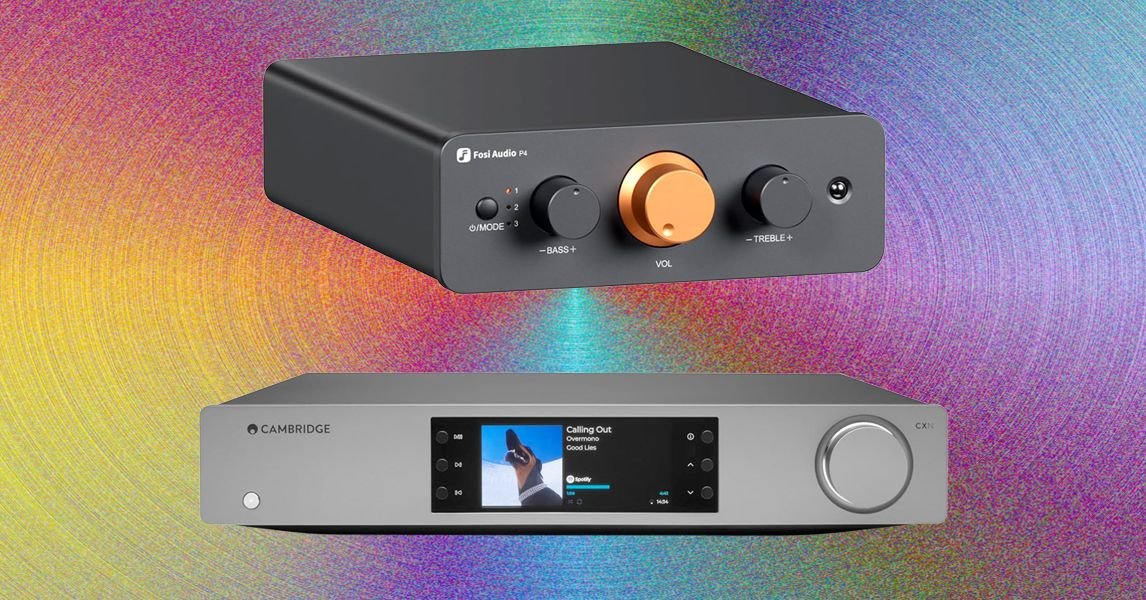
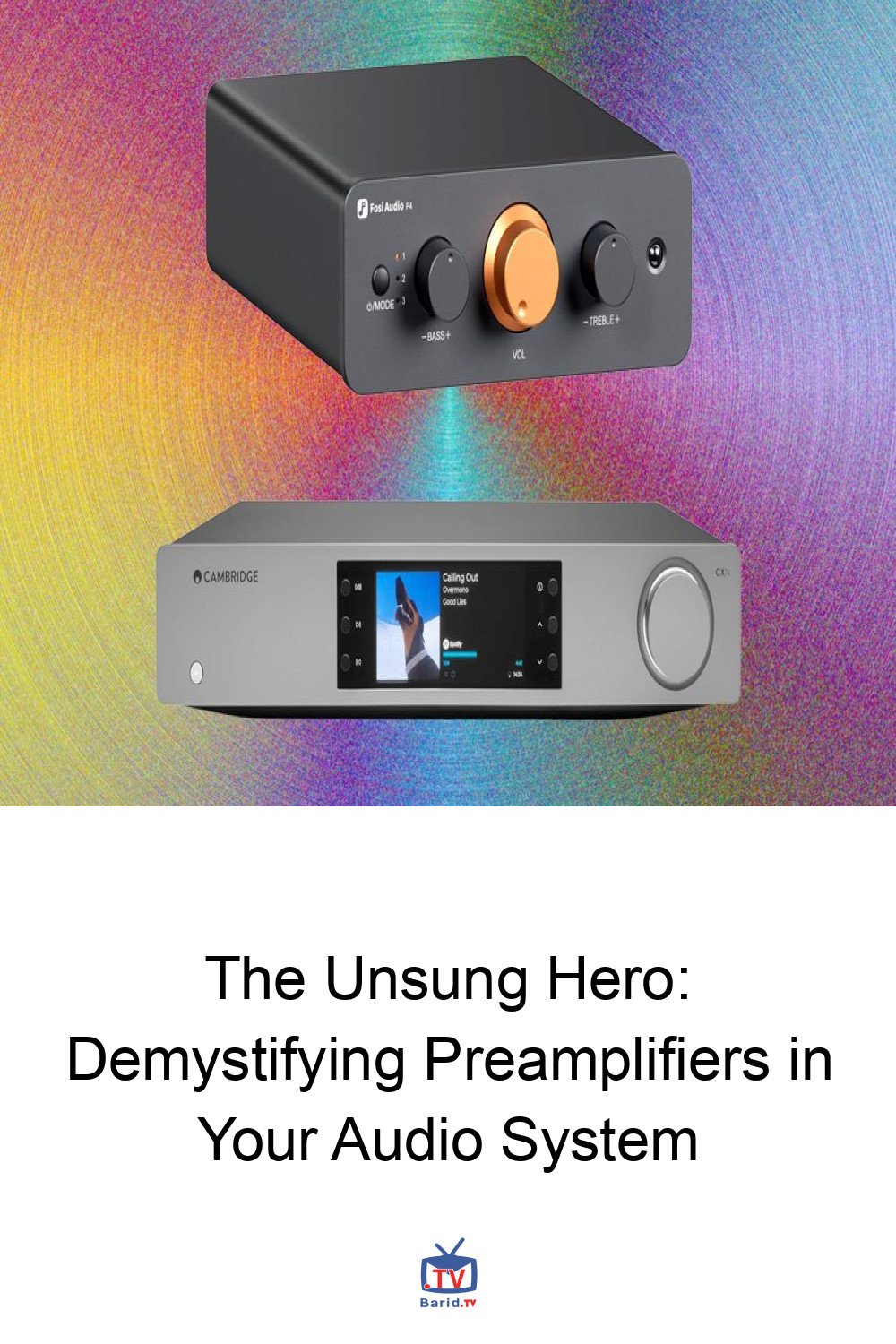
Before an audio signal is ready for the powerful amplification that drives your speakers, it requires meticulous preparation. This is precisely where the preamplifier steps in. Essentially, a preamp acts as the “control center” and “signal conditioner” for the raw audio signal emanating from your music source, ensuring it’s perfectly primed for the power amplifier.
In many integrated audio solutions, like the aforementioned Sonos speaker or even an “integrated amplifier” in a hi-fi separates setup, the preamplifier and power amplifier functionalities are housed together. An integrated amplifier, for instance, combines both roles in one convenient box.
Yet, for discerning audiophiles, separating these functions can be paramount. When you encounter a standalone preamplifier, it typically offers several key functionalities:
- Source Selection: It allows you to switch between various audio inputs (e.g., turntable, CD player, streamer), acting as the central hub for your diverse music sources.
- Volume Control: The preamp provides precise control over the listening volume.
- Signal Conditioning:
Crucially, it boosts the often-weak signal from your source component to a standardized “line level”—the optimal voltage strength for transmission between audio components—before passing it on to the power amplifier.
Does an External Preamp Enhance Sound Quality?
The prevailing wisdom in high-fidelity audio suggests that isolating individual functions within a system yields superior results. The rationale is simple: by keeping electrical activities as shielded and self-contained as possible, the delicate audio signal stands the best chance of remaining pure, uncolored, and free from interference.
Dividing the preamplifier and power amplifier into separate enclosures—a configuration often referred to as “pre/power”—aims to minimize electrical noise and crosstalk that can occur when these components are crammed into a single box. This two-box approach is a hallmark of serious audio enthusiasts, often indicative of a listener deeply committed to sonic purity. Systems that further separate digital-to-analog conversion into its own dedicated unit represent an even higher tier of dedication, though they naturally demand more space and power outlets.
Exploring Different Types of Preamplifiers
Phono Stages: The Turntable’s Essential Boost
An important exception to general preamplification rules applies to turntables. The audio signal produced by a record player is remarkably faint, requiring substantial amplification just to reach the standard “line level.” This specialized preamplification is handled by what is commonly known as a “phono stage.”
While confusingly sometimes called a “preamplifier,” a phono stage is a very specific type, designed exclusively to amplify a turntable’s signal. Dedicated audiophiles often invest in a standalone phono stage for optimal performance, though you’ll also find them integrated into some turntables themselves or within integrated amplifiers.
Solid State vs. Tube Preamps: A Matter of Sonic Philosophy
The distinctions between solid-state and tube (or valve) preamplifiers largely mirror the differences found across other solid-state and tube audio components, primarily concerning cost, longevity, and performance.
In terms of cost and longevity, solid-state preamps typically hold the advantage. They are generally more affordable, require minimal maintenance beyond occasional dusting, and contain no consumable parts. Tube preamplifiers, conversely, demand more careful handling and will eventually require tube replacements, adding to their long-term cost and upkeep.
Performance, however, is where the debate truly ignites. Tube preamplifiers are often lauded for their warm, rich, and “musical” sound, introducing subtle harmonic distortions that many listeners find pleasing and immersive. Solid-state preamps, conversely, are typically praised for their transparency, accuracy, and detailed reproduction, aiming for the purest possible signal path without adding any coloration. The choice between them is largely subjective, depending on a listener’s sonic preferences and the desired character of their audio system.
For more details, visit our website.
Source: Link