
As 2025 draws to a close, the celestial stage offers one final, captivating performance. For those fortunate enough to find themselves under a clear, cloudless sky on December 30th, a magnificent spectacle awaits. This evening presents one of the year’s concluding opportunities to connect with our nearest cosmic neighbor, revealing intricate details and a profound sense of wonder.
Tonight’s Lunar Portrait: The Waxing Gibbous
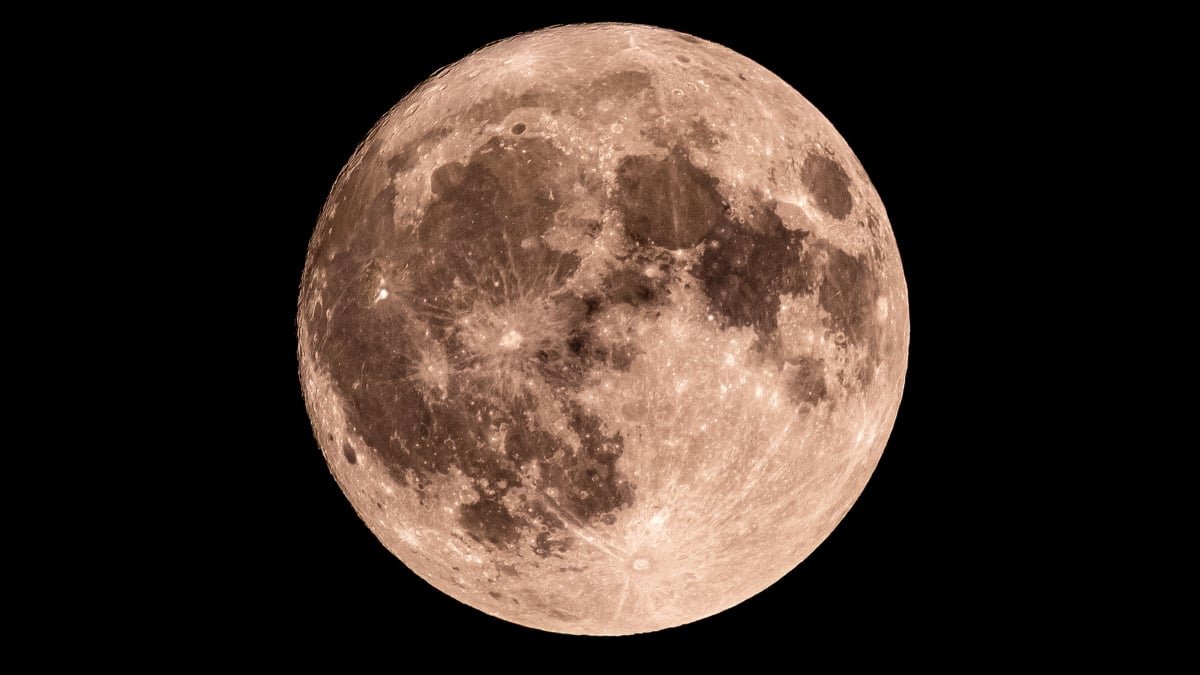
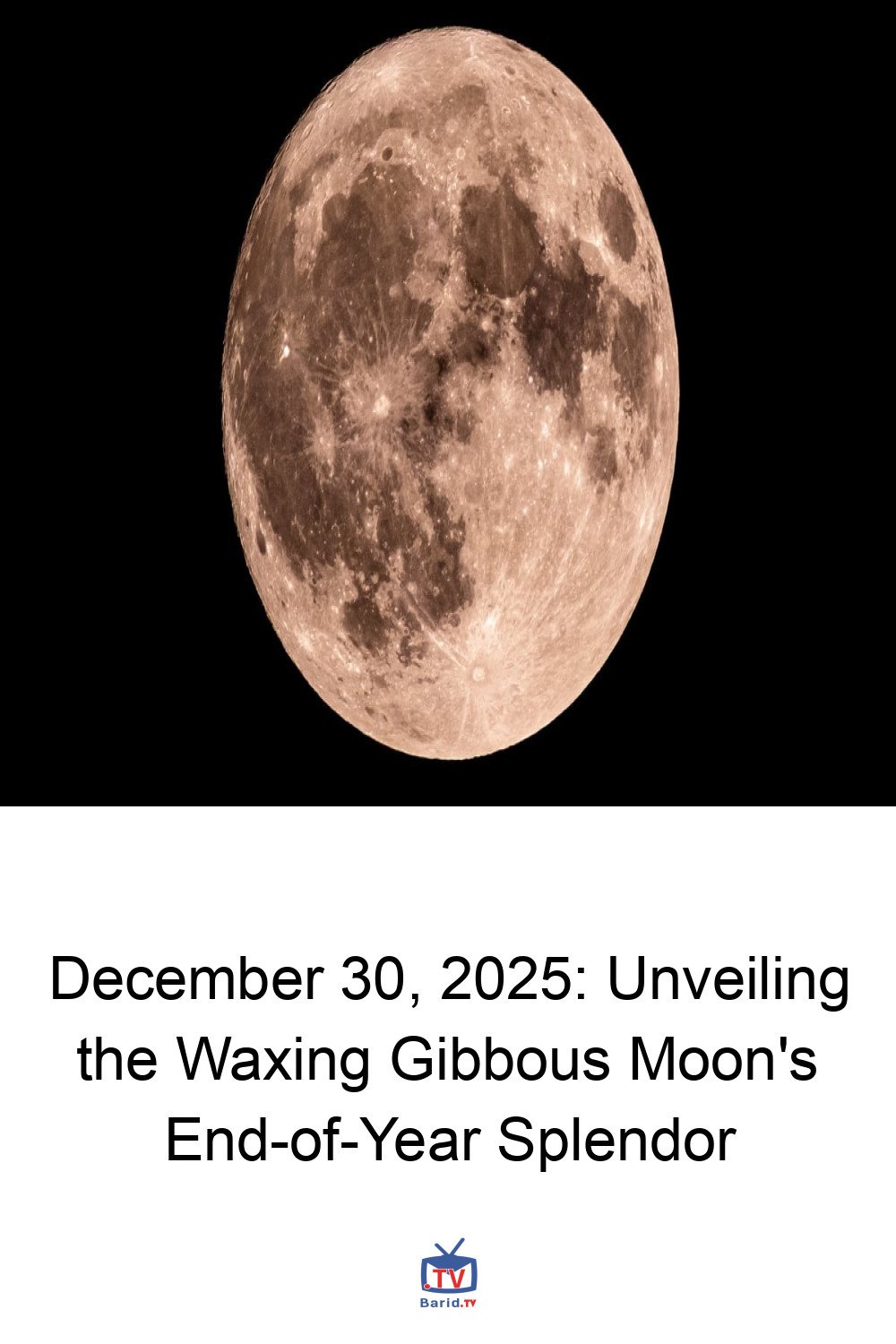
On Tuesday, December 30, 2025, skywatchers will be greeted by a prominent Waxing Gibbous moon. With approximately 79% of its surface illuminated, according to NASA’s daily observations, it presents a substantial and luminous presence in the night sky, steadily growing towards its full glory.
Even with the naked eye, a wealth of lunar features are discernible. Look for the vast, dark plains known as Mares Fecunditatis (Sea of Fecundity) and Serenitatis (Sea of Serenity), alongside the sprawling basin of Imbrium (Sea of Rains). These ancient lava flows tell tales of the Moon’s tumultuous past.
Elevate your viewing experience with a pair of binoculars, and new wonders emerge. The dramatic Endymion Crater, a large, ancient impact crater, becomes visible, as do the majestic lunar mountain ranges: the jagged Alps Mountains and the prominent Apennine Mountains, casting long shadows across the lunar surface.
For the truly dedicated astronomer, a telescope unlocks even more extraordinary details. With enhanced magnification, you can pinpoint the historic Apollo 11 landing spot, a testament to human ingenuity. Explore the rugged terrain of the Descartes Highlands and trace the delicate, winding channel of Rima Hyginus, a fascinating geological formation.
Decoding the Lunar Cycle: Understanding Moon Phases
The ever-changing appearance of the Moon is a result of its continuous orbit around Earth. This complete journey, known as the lunar cycle, spans approximately 29.5 days. While the same side of the Moon consistently faces our planet, the amount of sunlight reflecting off its surface varies depending on its position relative to the Earth and the Sun. This dynamic interplay of light and shadow is what gives rise to the familiar sequence of lunar phases.
The Eight Phases of the Moon
- New Moon: The cycle begins when the Moon is positioned directly between Earth and the Sun. From our perspective, the sunlit side is entirely facing away, rendering the Moon invisible to the naked eye.
- Waxing Crescent: As the Moon moves away from the Sun, a slender sliver of light becomes visible on its right side (for observers in the Northern Hemisphere), gradually growing larger each night.
- First Quarter: At this stage, half of the Moon’s face is illuminated on the right side, appearing as a perfect half-moon. It has completed roughly a quarter of its orbit.
- Waxing Gibbous: Following the First Quarter, more than half of the Moon is lit, continuing to expand towards full illumination. This is the phase we observe on December 30th.
- Full Moon: The pinnacle of illumination, the entire face of the Moon is bathed in sunlight, presenting a complete, luminous disc in the night sky.
- Waning Gibbous: Post-Full Moon, the illumination begins to recede from the right side (Northern Hemisphere), though still more than half of the Moon remains lit.
- Third Quarter (or Last Quarter): Another half-moon appears, but this time it’s the left side that is illuminated, signifying three-quarters of the lunar cycle are complete.
- Waning Crescent: The final stage before the New Moon, a thin crescent of light remains visible on the left side, progressively shrinking until the Moon once again becomes invisible.
Looking Ahead: Key Lunar Dates
For those planning their future skywatching adventures, mark your calendars: the next Full Moon is anticipated on January 3rd. The previous Full Moon graced our skies on December 4th, offering another memorable celestial display.
Whether you’re an experienced astronomer or a curious novice, the Moon offers an accessible and ever-changing canvas of wonder. Take a moment tonight, December 30th, to look up and appreciate the serene beauty of our celestial companion.
For more details, visit our website.
Source: Link