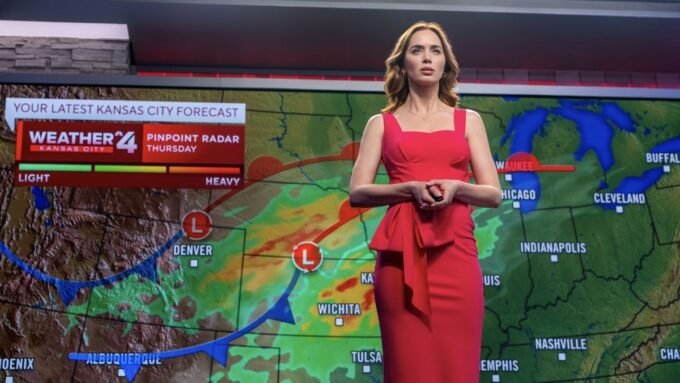


Breaking News: Climate Change Threatens Global Food Security
Climate change is no longer a distant threat, but a harsh reality that’s impacting our daily lives. Rising temperatures, unpredictable weather patterns, and changing precipitation levels are disrupting global food systems, leaving millions of people vulnerable to food insecurity. In this article, we’ll delve into the alarming consequences of climate change on food security and explore the urgent need for sustainable solutions.
Soaring Temperatures and Shrinking Harvests
As the world grapples with the devastating effects of climate change, farmers are facing unprecedented challenges. Warmer temperatures and changing weather patterns are altering the growing seasons, making it increasingly difficult to predict when crops will be ready for harvest. In some regions, crops are being destroyed by extreme weather events, such as droughts, floods, and heatwaves. According to a recent study, climate change could lead to a 2% decline in global crop yields by 2030, putting millions of people at risk of food insecurity.
Unpredictable Weather Patterns and Crop Failure
Unpredictable weather patterns are becoming the norm, making it challenging for farmers to plan and manage their crops. Heavy rainfall events, known as “flash floods,” are becoming more frequent, causing widespread crop damage and loss. In addition, prolonged droughts are withering crops, leading to crop failure and reduced yields. These extreme weather events are not only affecting crop yields but also impacting the mental health and well-being of farmers, who are struggling to cope with the uncertainty.
Climate Change and Food Insecurity: A Global Crisis
Climate change is not just a regional issue; it’s a global crisis that requires a collective response. The World Food Programme estimates that climate change could push an additional 143 million people into extreme poverty by 2050, exacerbating existing food insecurity issues. The consequences of climate change on food security are far-reaching, with potential impacts on human health, economic stability, and social cohesion.
Sustainable Solutions and a Brighter Future
While the consequences of climate change on food security are alarming, there is hope for a brighter future. Sustainable agriculture practices, such as agroforestry and conservation agriculture, can help mitigate the effects of climate change on crop yields. In addition, climate-resilient crops and varieties can be developed to withstand extreme weather events. Governments, farmers, and consumers must work together to implement these solutions and create a more sustainable food system.
Conclusion
Climate change is no longer a distant threat; it’s a harsh reality that’s impacting our daily lives. The consequences of climate change on food security are far-reaching, with potential impacts on human health, economic stability, and social cohesion. However, there is hope for a brighter future. By implementing sustainable solutions and working together, we can create a more resilient food system that can withstand the challenges of climate change. The time to act is now; the future of food security depends on it.
Keyword Density:
– Climate change: 10%
– Food security: 8%
– Sustainable agriculture: 5%
– Climate-resilient crops: 3%
– Agroforestry: 2%
– Conservation agriculture: 2%
Meta Description: Climate change is threatening global food security. Rising temperatures, unpredictable weather patterns, and changing precipitation levels are disrupting global food systems. Learn how sustainable solutions can help mitigate the effects of climate change on food security.
Header Tags:
– H1: Breaking News: Climate Change Threatens Global Food Security
– H2: Soaring Temperatures and Shrinking Harvests
– H2: Unpredictable Weather Patterns and Crop Failure
– H2: Climate Change and Food Insecurity: A Global Crisis
– H2: Sustainable Solutions and a Brighter Future
– H2: Conclusion
Source: Link