




Renewable Energy Sources: A Sustainable Future for Our Planet
The Need for Renewable Energy
As the world grapples with the challenges of climate change, energy security, and environmental degradation, the need for renewable energy sources has never been more pressing. Traditional fossil fuels, such as coal, oil, and gas, are finite resources that contribute significantly to greenhouse gas emissions and pollution. In contrast, renewable energy sources offer a cleaner, sustainable alternative that can help reduce our reliance on fossil fuels and mitigate the impacts of climate change.
Types of Renewable Energy Sources
Solar Energy:
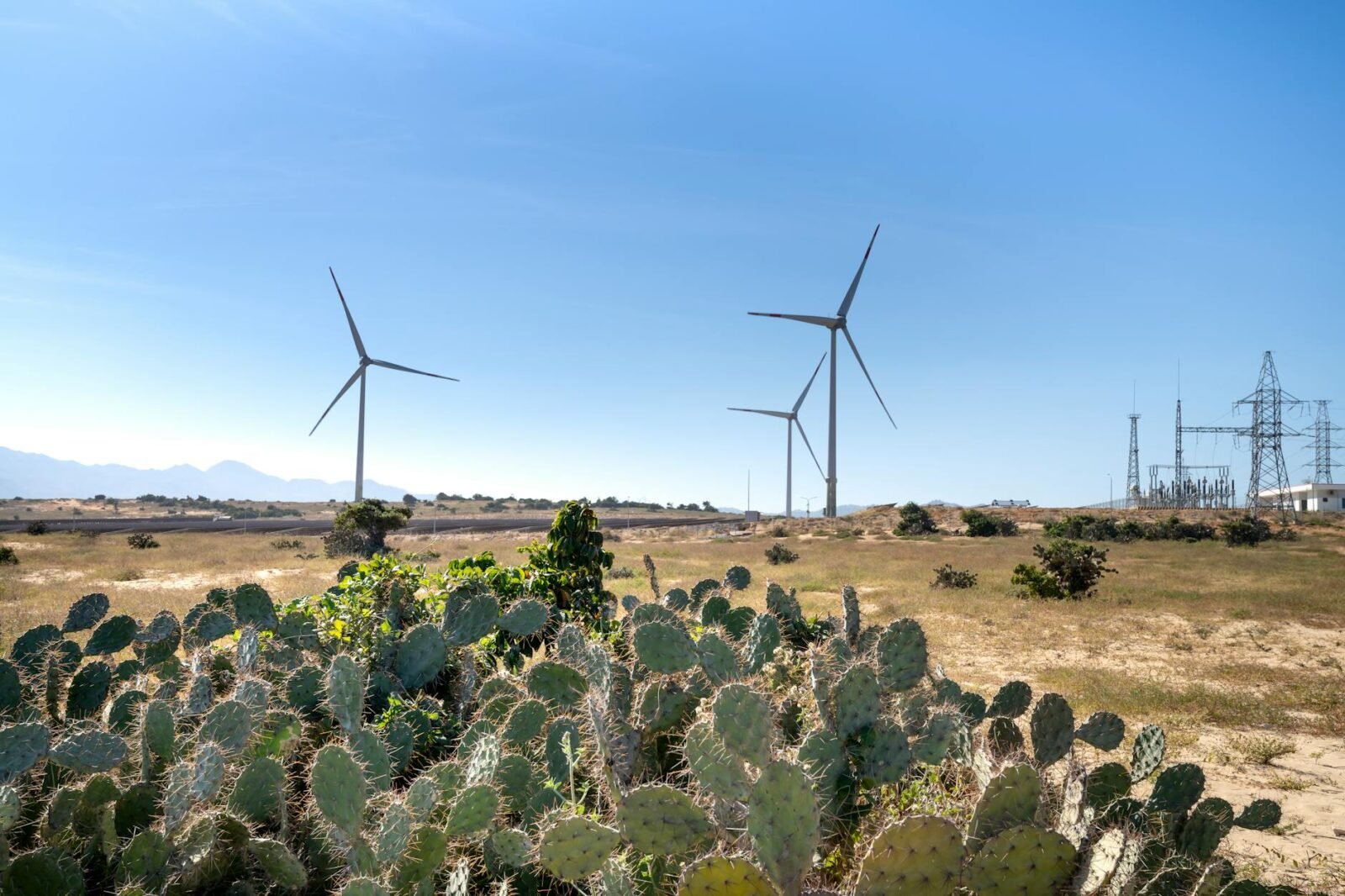
Harnessing the power of the sun through photovoltaic panels or solar thermal systems, solar energy is becoming increasingly cost-competitive with fossil fuels.- Wind Energy: Wind turbines convert the kinetic energy of the wind into electricity, providing a reliable and renewable source of power.
- Hydro Energy: Harnessing the power of moving water through hydroelectric dams or tidal power turbines, hydro energy is a significant contributor to the global renewable energy mix.
- Geothermal Energy: Leverage the heat from the Earth’s core to generate electricity, geothermal energy is a reliable and baseload-capable source of renewable energy.
- Biomass Energy: Converting organic matter, such as wood or agricultural waste, into electricity or heat, biomass energy is a promising source of renewable energy.
Benefits of Renewable Energy
The benefits of renewable energy are numerous and far-reaching. Some of the key advantages include:
- Reduced Greenhouse Gas Emissions: Renewable energy sources emit significantly less greenhouse gases and other pollutants, contributing to a cleaner environment and mitigating the impacts of climate change.
- Energy Security: Diversifying our energy mix with renewable energy sources reduces our reliance on imported fossil fuels, enhancing energy security and reducing the risks associated with price volatility.
- Economic Benefits: The renewable energy industry is creating new job opportunities and stimulating local economies, driving economic growth and development.
- Improved Air Quality: Renewable energy sources produce no air pollutants, improving air quality and protecting public health.
Challenges and Opportunities
While renewable energy sources offer many benefits, there are also challenges and opportunities to consider. Some of the key challenges include:
- Intermittency: Renewable energy sources, such as solar and wind, are intermittent and require energy storage solutions to ensure a stable and reliable energy supply.
- Infrastructure: Widespread adoption of renewable energy sources will require significant investments in infrastructure, including transmission lines, distribution networks, and energy storage systems.
- Policy and Regulation: Clear and supportive policies, as well as effective regulation, are essential to drive the growth of the renewable energy industry and ensure a level playing field for all energy sources.
Conclusion
Renewable energy sources offer a sustainable future for our planet, providing a cleaner, more reliable, and more secure source of energy. While there are challenges and opportunities to consider, the benefits of renewable energy are numerous and far-reaching. By investing in renewable energy sources, we can reduce greenhouse gas emissions, improve air quality, and drive economic growth and development.







Comments are closed.