
Solar Panels for Residential: A Guide to Harnessing Renewable Energy
Introduction
Solar panels have become an increasingly popular choice for residential energy needs. With the rising costs of traditional energy sources and the growing concern for the environment, homeowners are turning to solar power as a cleaner and more sustainable option. In this article, we will explore the benefits, types, and installation process of solar panels for residential use.
Benefits of Solar Panels for Residential Use
- Renewable Energy
Source:** Solar panels convert sunlight into electricity, reducing your reliance on fossil fuels and lowering your carbon footprint.
Energy Savings:** By harnessing the sun’s energy, you can significantly reduce your energy bills and save money in the long run.
- Increased Property Value:** Installing solar panels can increase your property value and even boost your selling price.
- Low Maintenance:** Solar panels require minimal maintenance and are designed to last for decades.
Types of Solar Panels for Residential Use
There are several types of solar panels available for residential use, including:
- Monocrystalline Solar Panels:** These panels are made from high-quality silicon and offer high efficiency rates.
- Poly crystalline Solar Panels:** These panels are made from a mixture of silicon and offer a balance between efficiency and cost.
- Thin-Film Solar Panels:** These panels are made from a thin layer of photovoltaic material and offer a lower upfront cost.
Installation Process of Solar Panels for Residential Use
Installing solar panels for residential use involves the following steps:
- Site Assessment:** A professional will assess your property to determine the best location for the solar panels.
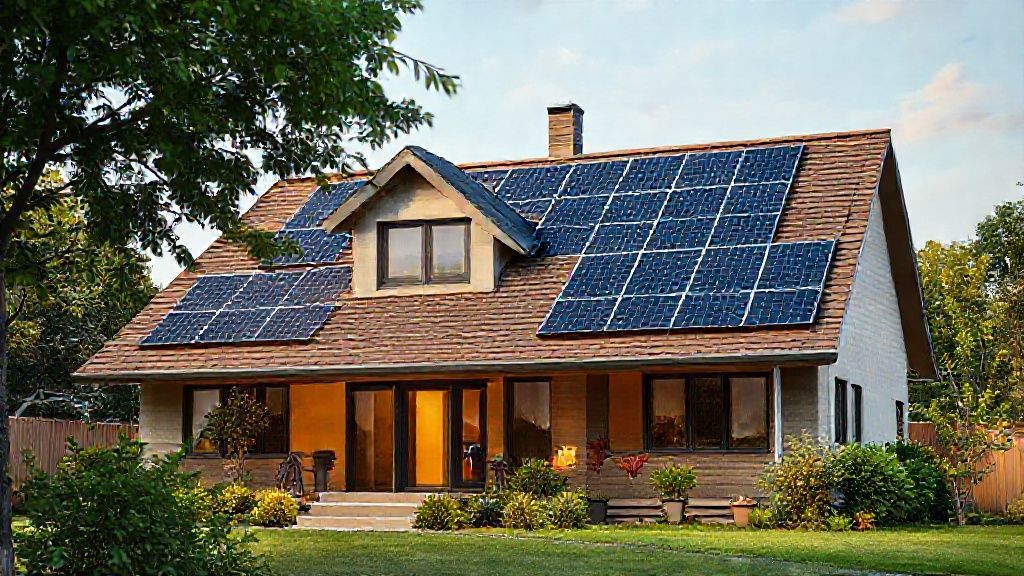
- Panel Installation:** The solar panels will be installed on your roof or in a designated area.
- Inverter Installation:** An inverter will be installed to convert the DC power generated by the solar panels into AC power for your home.
- Grid Connection:** Your solar panel system will be connected to the grid, allowing you to sell excess energy back to the utility company.
Conclusion
Solar panels offer a clean, efficient, and cost-effective way to generate energy for your home. With the benefits of renewable energy, energy savings, and increased property value, it’s no wonder why more homeowners are turning to solar power. By understanding the different types of solar panels and the installation process, you can make an informed decision about harnessing the power of the sun for your residential energy needs.