
Renewable Energy Sources in India: A Bright Future Ahead
India has been at the forefront of the global renewable energy revolution, with a commitment to reduce its carbon footprint and transition to a cleaner, greener energy mix. In this article, we will explore the various renewable energy sources in India, their current status, and the government’s initiatives to promote their adoption.
Solar Energy: Shining Bright
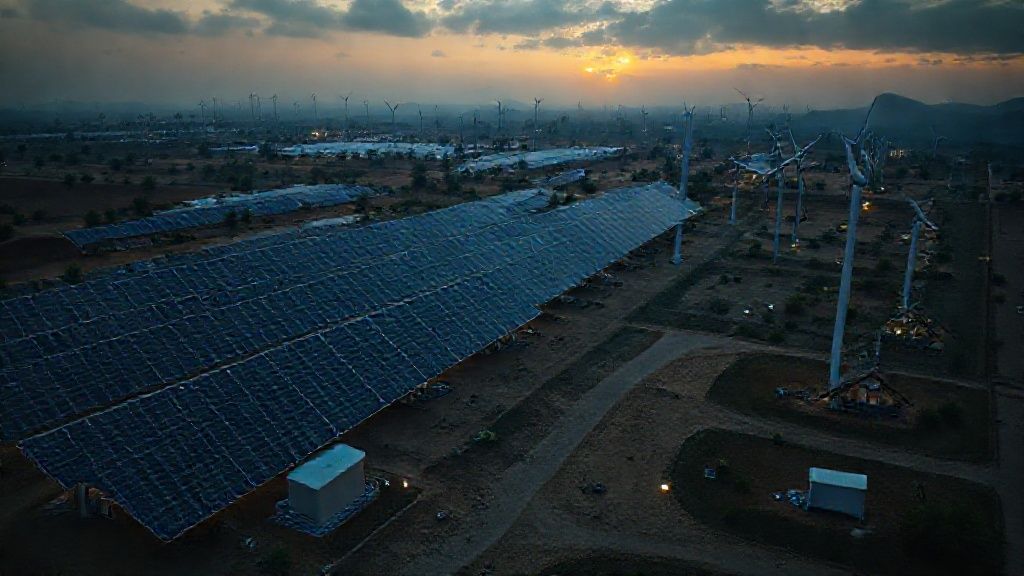
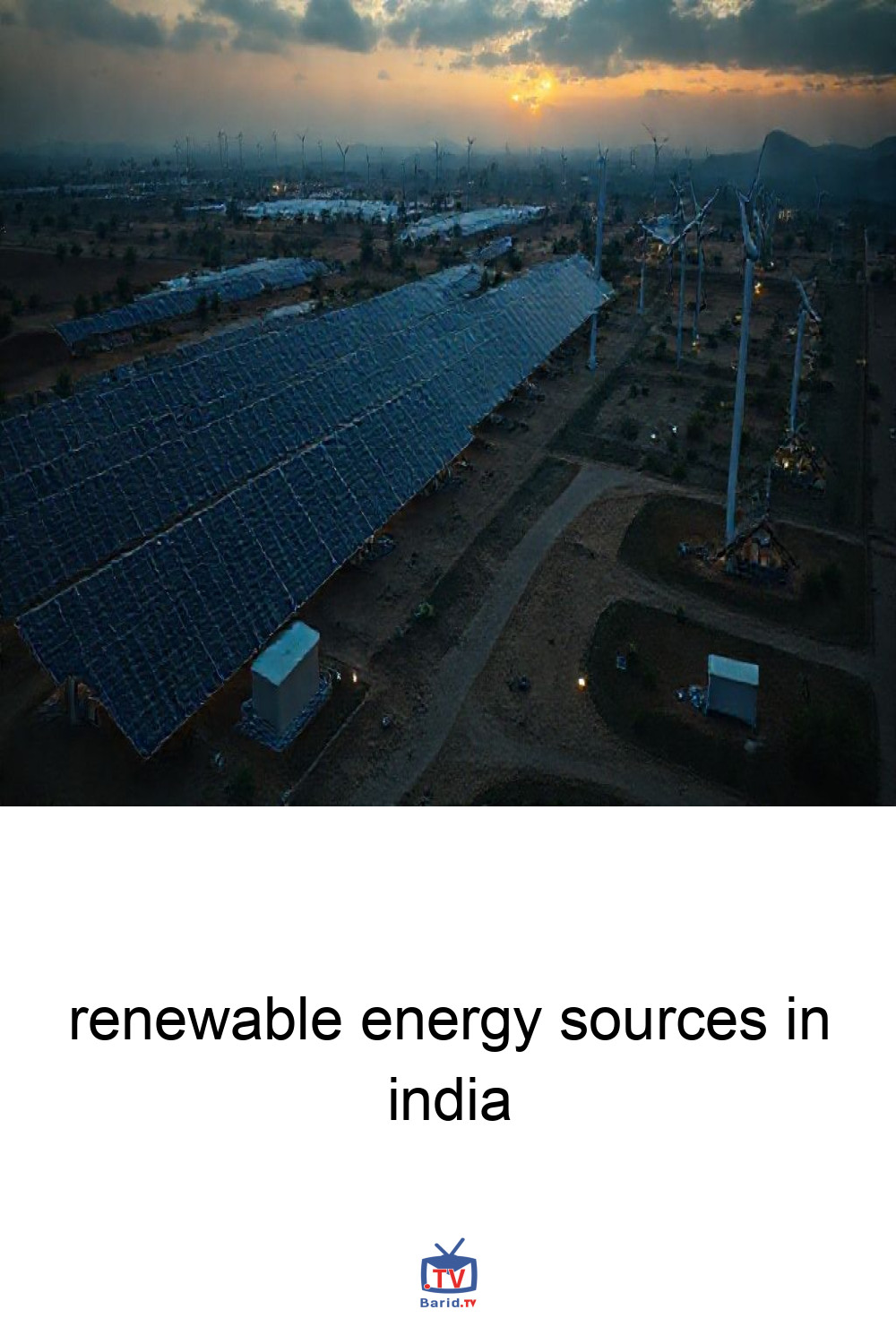
Solar energy is one of the fastest-growing renewable energy sources in India. The country has set a target of generating 40% of its electricity from non-fossil fuels by 2030, with solar energy expected to play a significant role in achieving this goal. The government has implemented various policies and incentives to promote solar energy, including the Jawaharlal Nehru National Solar Mission (JNNSM) and the Solar Park Scheme.
The JNNSM aims to deploy 100 GW of solar power by 2022, with a focus on large-scale solar power plants.
- The Solar Park Scheme provides a platform for developers to set up solar power plants on a large scale, with a minimum capacity of 500 MW.
- The government has also introduced a tax incentive of 10% on solar power generation for the next five years.
Wind Energy: A Blowing Success
Wind energy is another significant contributor to India’s renewable energy mix. The country has a vast wind energy potential, with over 100 GW of installed capacity. The government has implemented policies such as the National Wind-Solar Hybrid Policy to promote the adoption of wind energy.
- The National Wind-Solar Hybrid Policy aims to promote the development of hybrid projects that combine wind and solar energy.
- The government has also introduced a tax incentive of 10% on wind power generation for the next five years.
- The Ministry of New and Renewable Energy (MNRE) has launched the Wind-Solar Hybrid Program to support the development of hybrid projects.
Hydro Energy: A Reliable Source
Hydro energy is a reliable and consistent source of renewable energy in India. The country has a vast hydro energy potential, with over 150 GW of installed capacity. The government has implemented policies such as the National Hydroelectric Power Corporation (NHPC) to promote the adoption of hydro energy.
- The NHPC is a government-owned company that develops and operates hydroelectric power projects.
- The government has also introduced a tax incentive of 10% on hydro power generation for the next five years.
- The Ministry of Power has launched the Hydroelectric Power Project (HEPP) to support the development of new hydroelectric projects.
Biomass Energy: A Sustainable Option
Biomass energy is a sustainable and renewable energy source in India. The country has a vast biomass energy potential, with over 10 GW of installed capacity. The government has implemented policies such as the National Biomass Policy to promote the adoption of biomass energy.
- The National Biomass Policy aims to promote the development of biomass-based power plants.
- The government has also introduced a tax incentive of 10% on biomass power generation for the next five years.
- The Ministry of New and Renewable Energy (MNRE) has launched the Biomass Power Program to support the development of biomass-based power plants.
Conclusion…