





Introduction to AI Image Generators
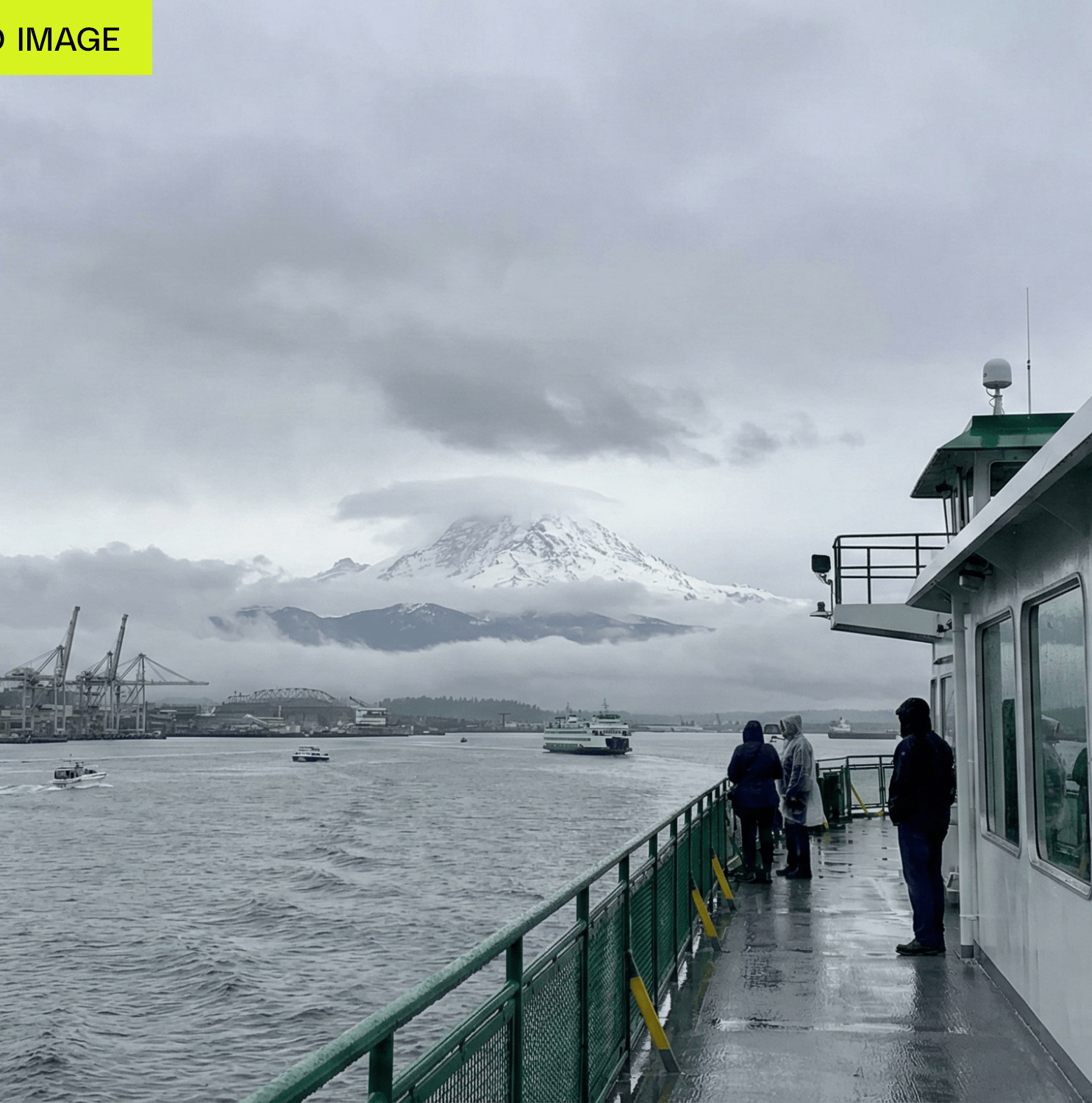
AI image generators have been making waves in the tech world with their ability to create realistic images that are often indistinguishable from real photos. However, in a surprising turn of events, these generators are now getting better by getting worse. This paradox raises several questions about the nature of image quality, the role of imperfections in photography, and the implications of this technology on our ability to discern reality from fiction.
The Evolution of AI Image Generators
Initially, AI image generators focused on creating perfect, high-quality images that lacked any imperfections. However, this approach had its limitations. The generated images, although visually stunning, often looked too perfect, too polished, and lacked the character that real-world images possess. This led researchers to rethink their approach and explore new ways to make AI-generated images more convincing.
Embracing Imperfections
The breakthrough came when researchers started to incorporate imperfections into the generated images. By introducing subtle flaws, such as noise, aberrations, and other defects that are common in real-world photography, AI image generators were able to create images that looked more realistic and authentic. This approach not only made the images more believable but also highlighted the complexity and nuance of real-world photography.
Benefits of the New Approach
The new approach has several benefits, including:
- Increased Realism: By incorporating imperfections, AI-generated images look more realistic and less like perfect, computer-generated constructs.
- Improved Convincingness: The images are more convincing, making it harder to distinguish them from real photos.
- Enhanced Creativity: The introduction of imperfections allows for more creative freedom, enabling artists and designers to explore new styles and effects.
Implications and Concerns
The ability of AI image generators to create realistic images with imperfections raises several concerns. For instance:
- Deepfakes and Misinformation: The technology can be used to create convincing deepfakes, which can be used to spread misinformation and manipulate public opinion.
- Intellectual Property and Ownership: The use of AI-generated images raises questions about ownership and intellectual property rights.
- Job Displacement: The increasing sophistication of AI image generators may displace human photographers and artists, especially in industries where image production is a key component.
Conclusion
The paradox of AI image generators getting better by getting worse highlights the complex and often counterintuitive nature of technological advancements. As we continue to push the boundaries of what is possible with AI, we must also consider the implications and consequences of these developments. By embracing imperfections and impermanence, we can create more realistic, more convincing, and more creative images that challenge our perceptions and understanding of the world.
FAQ
Here are some frequently asked questions about AI image generators and their ability to get better by getting worse:
- Q: What is an AI image generator? A: An AI image generator is a type of artificial intelligence that uses neural networks to generate images from scratch or edit existing ones.
- Q: Why are AI image generators getting worse to get better? A: By introducing imperfections, AI image generators can create more realistic and convincing images that are less distinguishable from real photos.
- Q: What are the implications of AI image generators getting better by getting worse? A: The implications include concerns about deepfakes, intellectual property, job displacement, and the potential for misuse of the technology.



Comments are closed.