
Introduction to 1x Robots EQT Deal
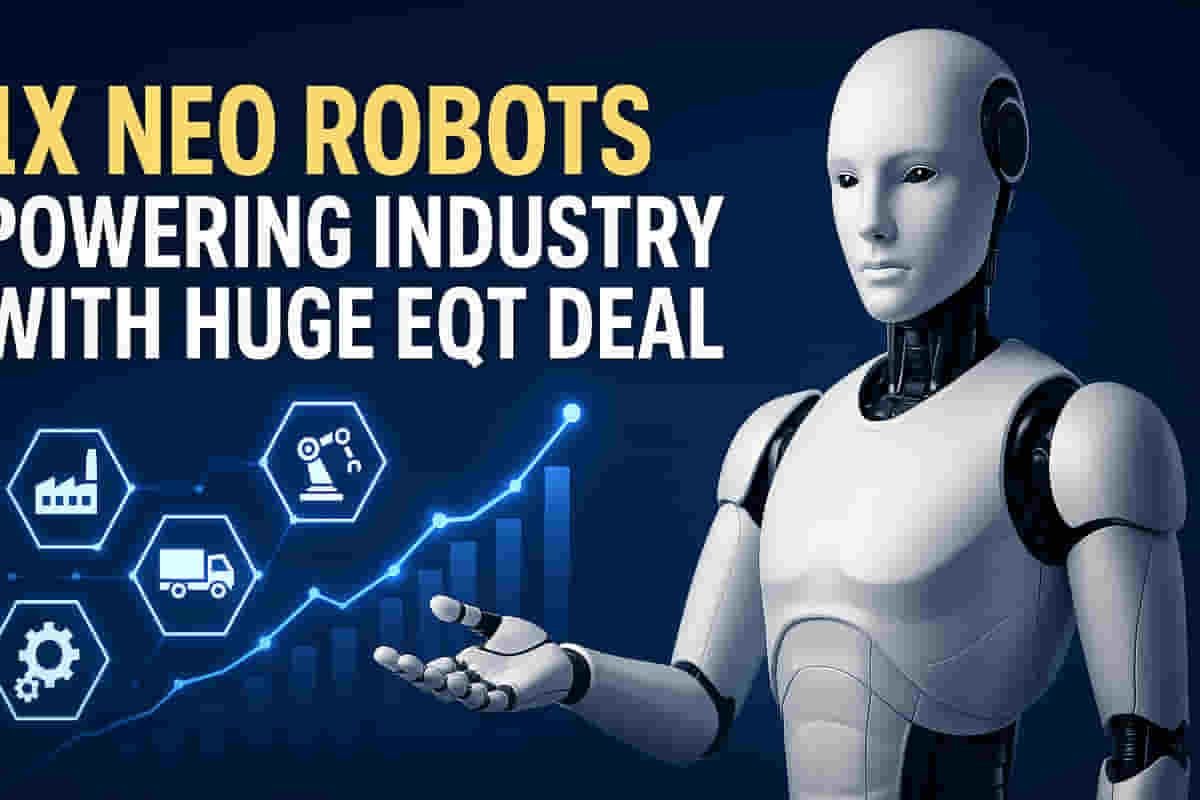
The recent announcement of a strategic partnership between 1X and EQT has sent ripples of excitement across industries. This collaboration aims to integrate up to 10,000 humanoid robots into EQT’s vast portfolio of companies worldwide. The deal signifies a monumental leap towards automation and digital transformation, leveraging the cutting-edge technology of 1X’s humanoid robots.
Background of 1X and EQT
1X is a pioneering company in the field of robotics, known for its innovative approach to designing and manufacturing humanoid robots. These robots are designed to mimic human-like movements and capabilities, making them versatile assets in various industrial and service sectors. EQT, on the other hand, is a private equity giant with a diverse portfolio of companies across different continents. This partnership brings together the technological prowess of 1X and the expansive reach of EQT, creating a powerful synergy.
Key Highlights of the Partnership
- Deployment of Humanoid Robots:
The agreement facilitates the deployment of up to 10,000 humanoid robots across EQT’s portfolio companies. This rollout will initially focus on the US, followed by Europe and Asia, catering to the diverse operational needs of these regions.
- Accessibility and Adoption: EQT’s over 300 portfolio companies will have early access to 1X’s commercial production capacity and integration expertise. This accessibility will enable these companies to make informed decisions about adopting humanoid robots, tailored to their specific requirements and operational landscapes.
- Purchase and Leasing Options: The partnership offers flexibility to EQT’s portfolio companies, providing options for both the purchase and leasing of 1X’s humanoid robots. This flexibility is crucial, as it allows companies to choose the model that best fits their financial strategies and operational needs.
Implications and Opportunities
The collaboration between 1X and EQT is poised to have significant implications for various sectors, from manufacturing and logistics to healthcare and customer service. Humanoid robots can enhance efficiency, precision, and safety in these areas, contributing to overall productivity and innovation. Moreover, this partnership sets a precedent for the integration of advanced robotics in traditional industries, potentially sparking a wave of technological advancements and investments in automation.
Challenges and Considerations
While the potential of this partnership is vast, there are challenges and considerations that need to be addressed. These include the ethical implications of widespread robot deployment, the need for workforce retraining, and ensuring that the benefits of automation are equitably distributed. Furthermore, technical challenges such as robot reliability, compatibility with existing systems, and cybersecurity will be crucial to the success of this endeavor.
Conclusion
The strategic partnership between 1X and EQT to deploy humanoid robots across EQT’s portfolio companies marks a significant step forward in the automation and digital transformation of industries. As this collaboration unfolds, it will be essential to monitor its progress, address the challenges that arise, and ensure that the benefits of this technology are realized while minimizing its negative impacts. The future of work and industry operations is set to change dramatically, with humanoid robots playing a central role in this evolution.
FAQ
- Q: What is the primary goal of the 1X and EQT partnership?
A: The primary goal is to facilitate the rollout of up to 10,000 humanoid robots across EQT’s global portfolio companies, enhancing efficiency and innovation.
- Q: Which regions will be the initial focus for the deployment of humanoid robots?
A: The initial focus will be on the US, followed by deployments in Europe and Asia.
- Q: What options are available to EQT’s portfolio companies for acquiring 1X’s humanoid robots?
A: Companies will have the option to either purchase or lease the robots, depending on their operational and financial preferences.