



Renewable Energy Sources in India: A Growing Trend
India has been at the forefront of adopting renewable energy sources, with a focus on reducing its dependence on fossil fuels and mitigating the impacts of climate change. The country has set ambitious targets to increase its renewable energy capacity, with a goal of reaching 40% of its electricity generation from non-fossil fuels by 2030.
Types of Renewable Energy Sources in India
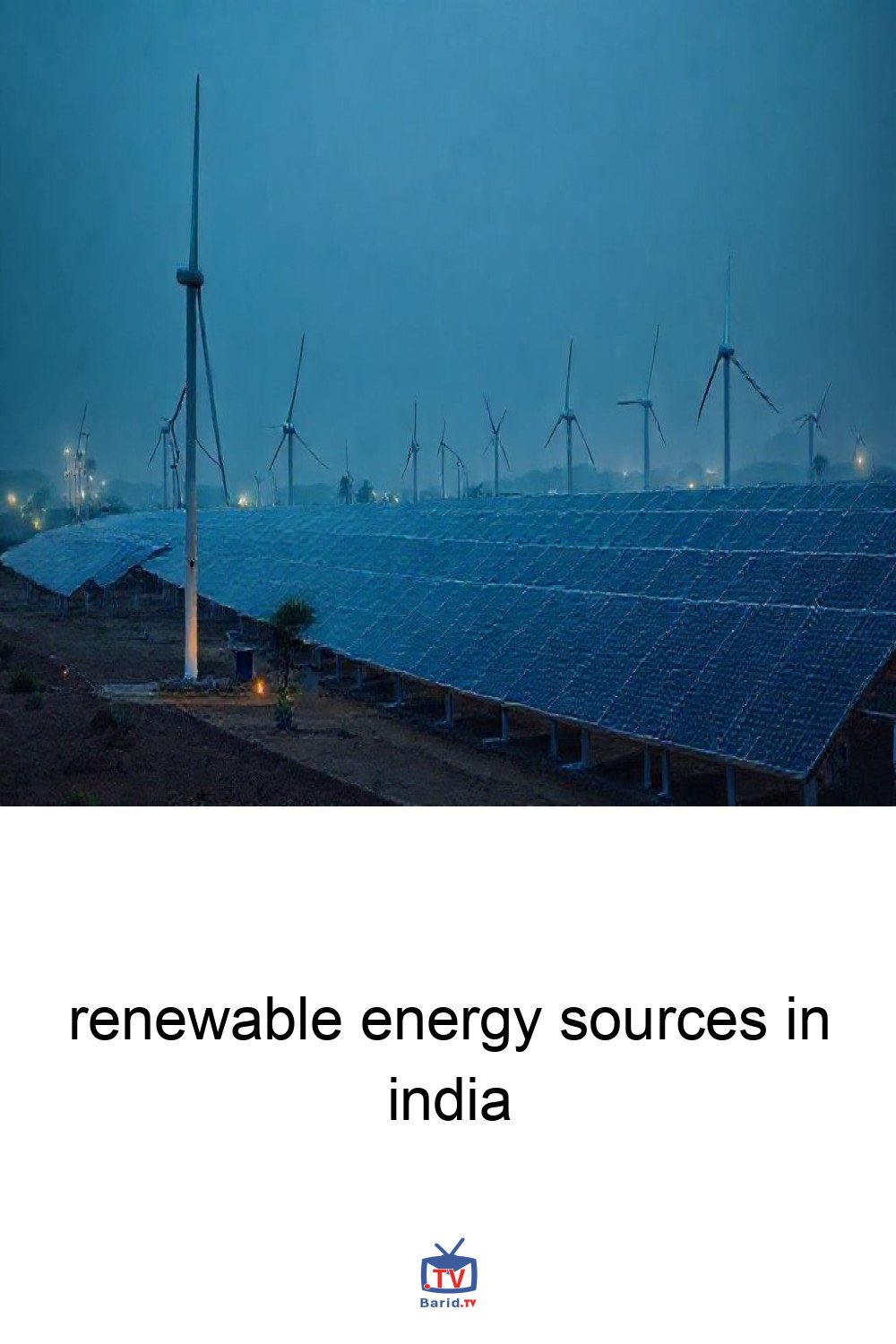
- Solar Energy: India has made significant strides in solar energy, with a target of 100 GW of solar capacity by 2022. The country has seen a surge in solar installations, with a focus on rooftop solar and large-scale solar parks.
- Wind Energy:
Wind energy has been a significant contributor to India’s renewable energy mix, with a capacity of over 37 GW. The country has seen a growth in wind energy installations, particularly in the states of Tamil Nadu and Gujarat.
- Hydro Energy:
Hydro energy is another significant source of renewable energy in India, with a capacity of over 45 GW. The country has seen a growth in hydro energy installations, particularly in the states of Himachal Pradesh and Uttarakhand.
- Biomass Energy: Biomass energy is a growing sector in India, with a focus on agricultural waste and forestry residues. The country has seen a growth in biomass energy installations, particularly in the states of Karnataka and Maharashtra.
- Geothermal Energy: Geothermal energy is a relatively new sector in India, with a focus on harnessing the heat from the Earth’s core. The country has seen a growth in geothermal energy installations, particularly in the states of Andhra Pradesh and Telangana.
Government Initiatives and Policies
The Indian government has implemented several initiatives and policies to promote the adoption of renewable energy sources, including:
- Renewable Energy Certificates (RECs): The government has introduced RECs to incentivize the adoption of renewable energy sources.
- Production Linked Incentive (PLI) Scheme: The government has introduced the PLI scheme to incentivize the production of renewable energy equipment in India.
- Net Metering Policy: The government has introduced the net metering policy to encourage households and businesses to generate their own renewable energy and sell excess to the grid.
Challenges and Opportunities
While India has made significant progress in adopting renewable energy sources, there are still several challenges and opportunities that need to be addressed, including:
- Grid Integration: Integrating renewable energy sources into the grid remains a significant challenge, particularly in terms of ensuring stable and reliable supply.
- Cost: The cost of renewable energy equipment and installation remains a significant barrier to adoption, particularly for small-scale projects.
- Policy and Regulation: The policy and regulatory framework for renewable energy needs to be simplified and streamlined to encourage adoption.
Conclusion…



Comments are closed.