
Trump’s Agriculture Bailout Sparks Outrage Among Conservative Voters
President Donald Trump’s $12 billion farm aid program has sparked outrage among conservative voters, who feel betrayed by the administration’s decision to allocate the majority of the funds to large commodity farming operations.
Only 8% of the bailout will go to farmers who produce other crops, leaving many small-scale farmers feeling left out.
The move is seen as a betrayal of Trump’s promise to support rural America and has sparked a feud within factions of the right wing in American politics.
Trump’s Pesticide Policy Under Fire
Trump’s administration has also come under fire for its pesticide policy, which has softened regulations on the chemical industry.
The Environmental Protection Agency (EPA) has initiated a series of actions that have relaxed rules on the use of pesticides, including those containing PFAS, or “forever chemicals.”
The agency has also been accused of streamlining new approval applications at the expense of reevaluating older pesticides that have been linked to health complications.
Make America Healthy Again Coalition Speaks Out
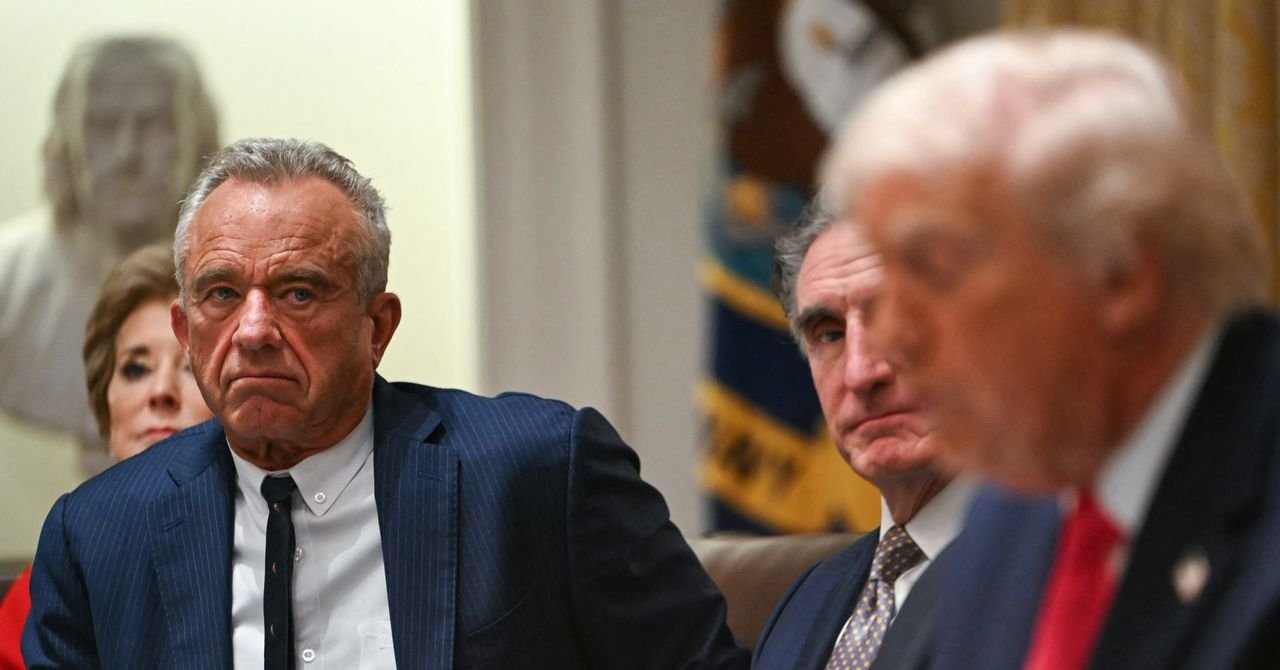
The Make America Healthy Again coalition, led by Robert F. Kennedy Jr., has spoken out against the administration’s pesticide policy.
The coalition had promised to crack down on pesticides during Trump’s 2024 reelection campaign, but the administration’s actions have fallen short of those promises.
The coalition has accused the EPA of prioritizing industry interests over public health and has called for the agency to take a more stringent approach to pesticide regulation.
Consequences of the Administration’s Actions
The administration’s actions on pesticide policy have had serious consequences for the environment and public health.
The use of PFAS-containing pesticides has been linked to a variety of harmful human health conditions and has been found to persist in the environment for incredibly long times.
The EPA’s decision to forgo cumulative risk assessments on the proposed pesticides has also raised concerns about the agency’s ability to understand how the chemicals might interact with ones that are already in use.
Source: Link