
Roomba’s Bankruptcy: A Cautionary Tale for Tech Companies
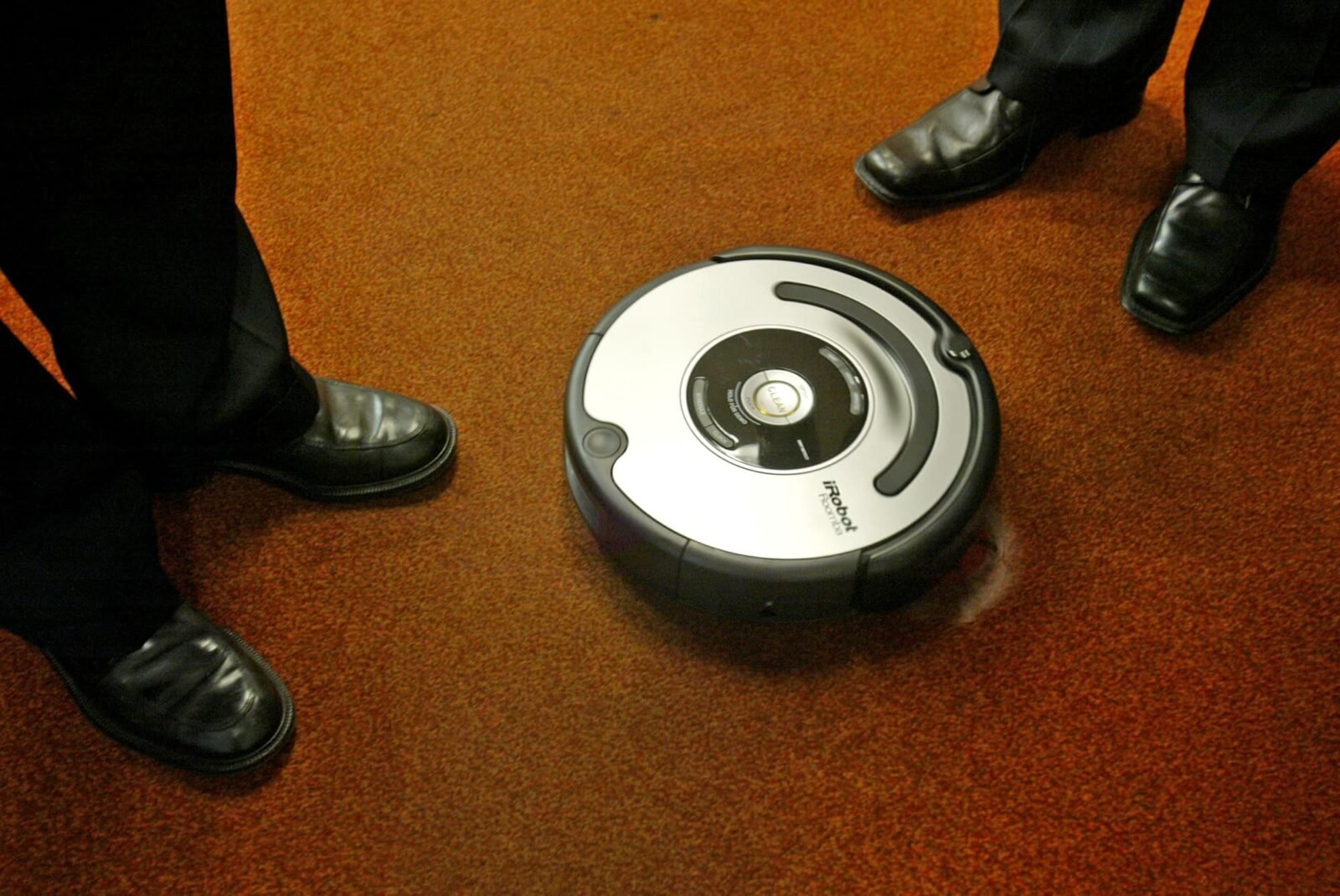
Roomba’s bankruptcy has sent shockwaves through the tech industry, leaving many wondering what went wrong. However, the story is more complex than just a company’s failure to compete with cheaper Chinese alternatives.
Meanwhile, regulators have been scrutinizing tech mergers, blocking deals that could have saved struggling companies like iRobot. The attempted acquisition of iRobot by Amazon in 2022 was thwarted by regulators, and the company’s subsequent bankruptcy has been attributed to this decision.
Moreover, the changing dynamics around mergers and acquisitions have made it increasingly difficult for companies to find a way out of financial struggles. As a result, tech giants are now attempting to circumvent regulators through asset purchases rather than full company acquisitions.
The Impact of Regulators on Tech Mergers
Regulators have been taking a more hands-off approach to M&A, but the view towards tech mergers remains tilted to scrutiny. The EU antitrust chief has telegraphed that there could be more to come in comments earlier this month when announcing an anti-trust probe against Meta’s plans to block AI rivals from Whatsapp.
Consequently, big tech is already finding workarounds to avoid antitrust scrutiny. As a direct result of these blocked exit ramps, the tech giants are now attempting to circumvent regulators through asset purchases rather than full company acquisitions.
In addition, the FTC has issued a report on these types of deals, targeting the Amazon-Adept deal for scrutiny. However, even if the deal tweaks are successful, they remain imperfect solutions for a broader M&A problem.
The Future of Tech Mergers
As the tech industry continues to evolve, it’s clear that regulators will play a crucial role in shaping the future of mergers and acquisitions. However, the current approach may be too tilted towards anti-big tech, and could have unintended consequences for struggling companies.
Therefore, it’s essential for regulators to strike a balance between protecting competition and allowing companies to find a way out of financial struggles. The future of tech mergers hangs in the balance, and it’s up to regulators to get it right.
Source: Link