



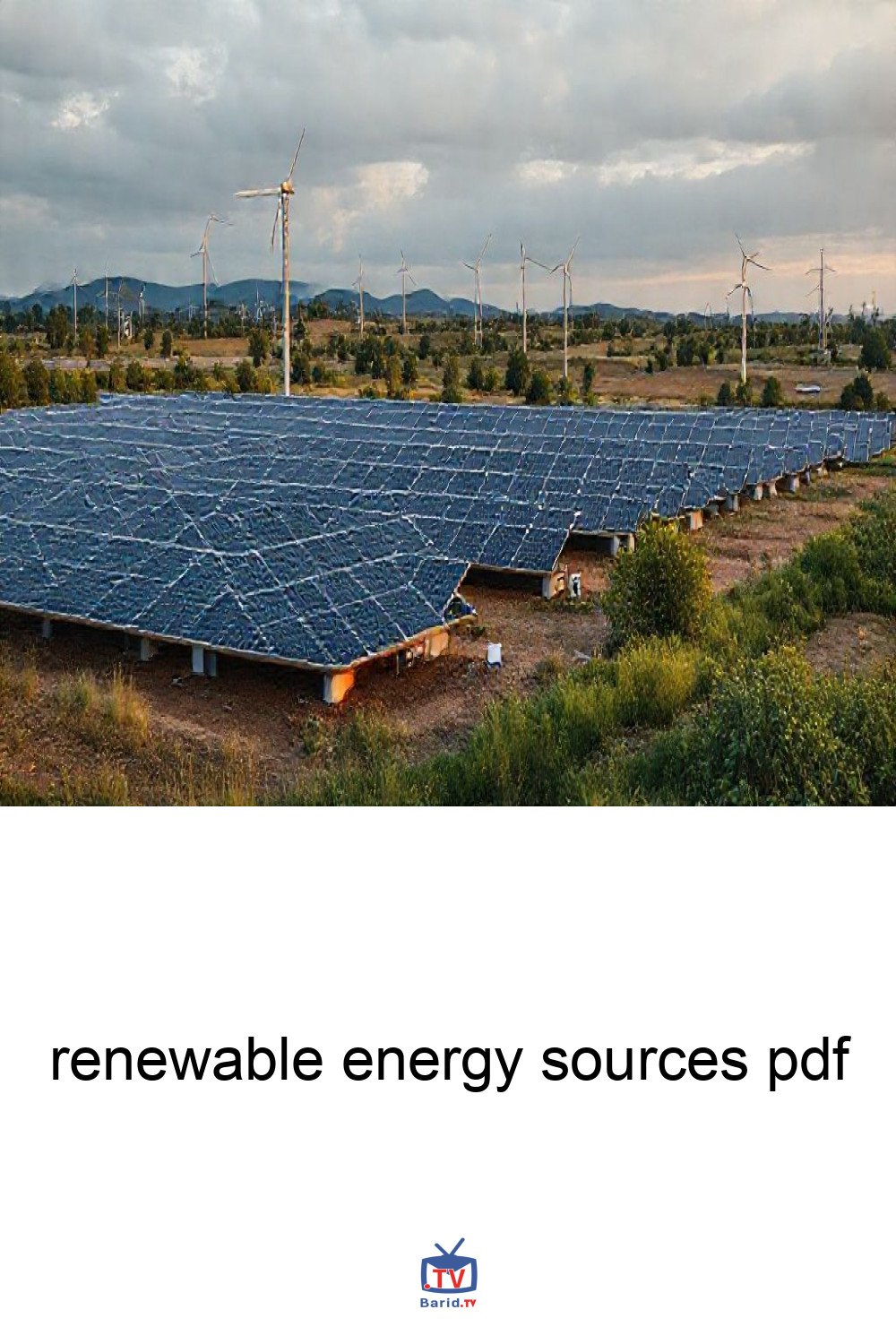
Unlocking the Potential of Renewable Energy Sources
Renewable energy sources have become an increasingly important aspect of our global energy mix, as the world moves away from fossil fuels and towards a more sustainable future. In this article, we will explore the various types of renewable energy sources, their benefits, and how they can be harnessed.
The Benefits of Renewable Energy Sources
Renewable energy sources offer a wide range of benefits, including reduced greenhouse gas emissions, improved air quality, and increased energy security. They are also becoming increasingly cost-competitive with fossil fuels, making them a viable option for both developed and developing countries.
Types of Renewable Energy Sources
There are several types of renewable energy sources, including:
- Solar Energy: Energy generated from the sun’s rays, either through photovoltaic panels or solar thermal systems.
- Wind Energy: Energy generated from the wind, either through wind turbines or wind farms.
- Hydro Energy: Energy generated from the movement of water, either through hydroelectric power plants or tidal power.
- Geothermal Energy: Energy generated from the heat of the Earth’s core, either through geothermal power plants or heat pumps.
- Biomass Energy: Energy generated from organic matter, such as wood, crops, or waste.
Key Features of Renewable Energy Sources
The key features of renewable energy sources include:
- Abundance: Renewable energy sources are abundant and available everywhere, reducing our reliance on fossil fuels.
- Low Operating Costs: Renewable energy sources have low operating costs, as there are no fuel costs and maintenance costs are minimal.
- No Greenhouse Gas Emissions: Renewable energy sources do not emit greenhouse gases, reducing our carbon footprint and mitigating climate change.
- Energy Independence: Renewable energy sources can be used to generate energy locally, reducing our reliance on grid electricity and improving energy security.
FAQs
Here are some frequently asked questions about renewable energy sources:
- Q: Are renewable energy sources reliable? A: Yes, renewable energy sources are reliable and can provide a stable source of energy.
- Q: Are renewable energy sources expensive? A: No, renewable energy sources are becoming increasingly cost-competitive with fossil fuels.
- Q: Can renewable energy sources be used for transportation? A: Yes, renewable energy sources can be used for transportation, such as electric vehicles.
- Q: Can renewable energy sources be used for heating and cooling? A: Yes, renewable energy sources can be used for heating and cooling, such as solar thermal systems.
Conclusion
Renewable energy sources offer a wide range of benefits, including reduced greenhouse gas emissions, improved air quality, and increased energy security. They are becoming increasingly cost-competitive with fossil fuels, making them a viable option for both developed and developing countries. By harnessing the potential of renewable energy sources, we can create a more sustainable future for generations to come.








Comments are closed.