
The Future of Energy: Exploring Renewable Energy Sources
As the world continues to grapple with the challenges of climate change, energy security, and sustainable development, the need for a shift towards renewable energy sources has never been more pressing. Renewable energy sources, such as solar, wind, hydro, and geothermal power, offer a cleaner, more sustainable alternative to fossil fuels and have the potential to transform the way we generate and consume energy. In this essay, we will explore the benefits, types, and importance of renewable energy sources.
The Benefits of Renewable Energy Sources
Renewable energy sources offer a range of benefits, including reduced greenhouse gas emissions, improved air quality, and enhanced energy security. By harnessing the power of the sun, wind, and water, we can reduce our reliance on fossil fuels and mitigate the impacts of climate change. Renewable energy sources also create jobs, stimulate local economies, and provide a cleaner source of energy for communities around the world.
Types of Renewable Energy Sources
There are several types of renewable energy sources, each with its own unique characteristics and benefits. Some of the most common types of renewable energy sources include:
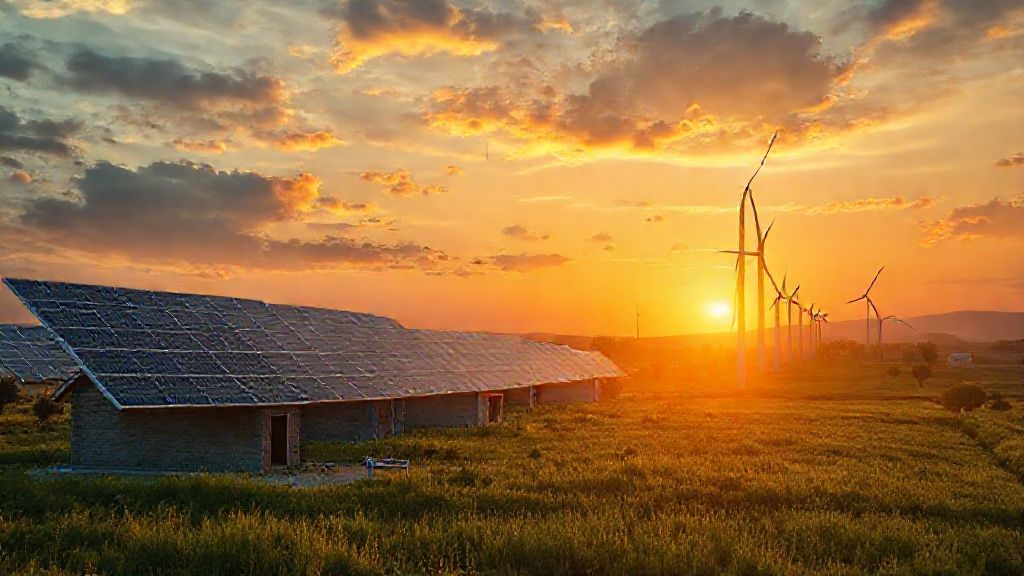
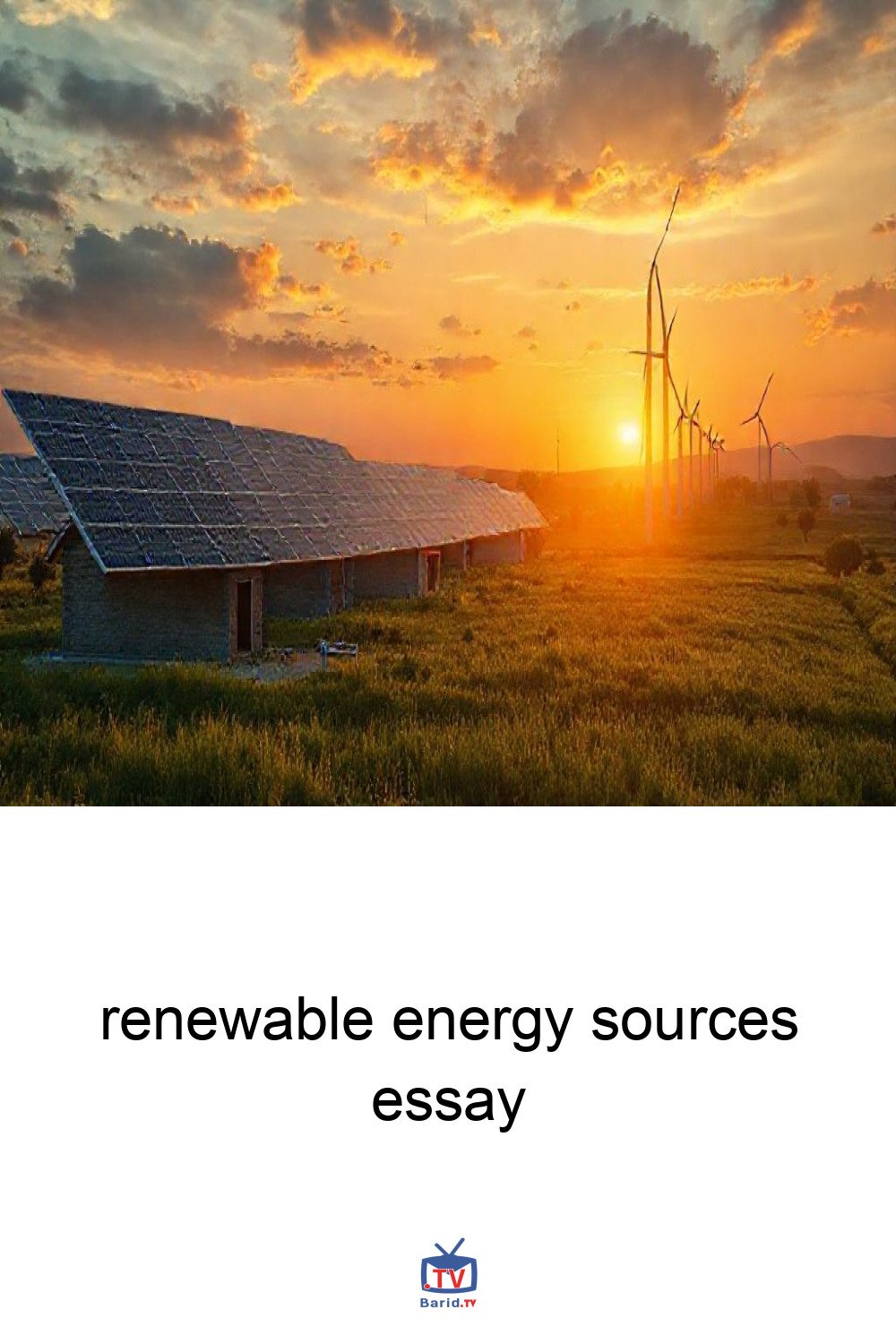
- Solar Energy: Solar energy is generated from the sun’s rays and can be harnessed using photovoltaic panels or solar thermal systems.
- Wind Energy: Wind energy is generated from the wind and can be harnessed using wind turbines.
- Hydro Energy: Hydro energy is generated from the movement of water and can be harnessed using hydroelectric power plants or tidal power turbines.
- Geothermal Energy: Geothermal energy is generated from the heat of the Earth’s core and can be harnessed using geothermal power plants.
Key Features of Renewable Energy Sources
Renewable energy sources have several key features that make them an attractive alternative to fossil fuels. Some of the key features of renewable energy sources include:
- Sustainability: Renewable energy sources are sustainable and can be replenished naturally.
- Renewability: Renewable energy sources are renewable and can be replenished over time.
- Cleanliness: Renewable energy sources are clean and do not produce greenhouse gas emissions or air pollutants.
- Energy Security: Renewable energy sources can provide energy security and reduce our reliance on fossil fuels.
Frequently Asked Questions
Here are some frequently asked questions about renewable energy sources:
- Q: What are the benefits of renewable energy sources?
A: The benefits of renewable energy sources include reduced greenhouse gas emissions, improved air quality, and enhanced energy security.
- Q: What are the different types of renewable energy sources? A: The different types of renewable energy sources include solar, wind, hydro, and geothermal energy.
- Q: How do renewable energy sources work? A: Renewable energy sources work by harnessing the power of the sun, wind, and water to generate electricity.
Conclusion
In conclusion, renewable energy sources offer a cleaner, more sustainable alternative to fossil fuels and have the potential to transform the way we generate and consume energy. By harnessing the power of the sun, wind, and water, we can reduce our reliance on fossil fuels, mitigate the impacts of climate change, and create a more sustainable future for generations to come.