
Establishing a Strong Personal Brand: A Comprehensive Guide
In today’s digital age, personal branding has become an essential aspect of professional and personal development. With the rise of social media and online presence, it’s easier than ever to showcase your skills, values, and personality to the world. However, creating a strong personal brand requires more than just a well-crafted online profile. It demands a thoughtful and intentional approach that showcases your unique strengths and sets you apart from the competition. In this comprehensive guide, we’ll walk you through the steps to establish a strong personal brand that resonates with your target audience.
Defining Your Personal Brand
Before you can establish a personal brand, you need to define what it is and what it stands for. Your personal brand is a reflection of your values, skills, and personality, and it should be unique to you. To define your personal brand, ask yourself the following questions:
- What are my core values and principles?
- What sets me apart from others in my industry or profession?
- What are my strengths and areas of expertise?
- What kind of reputation do I want to establish for myself?
Take some time to reflect on these questions and write down your answers. This will help you clarify your personal brand and create a foundation for your online presence.
Crafting Your Online Presence
Once you’ve defined your personal brand, it’s time to create a strong online presence. This includes:
- Developing a professional website or blog
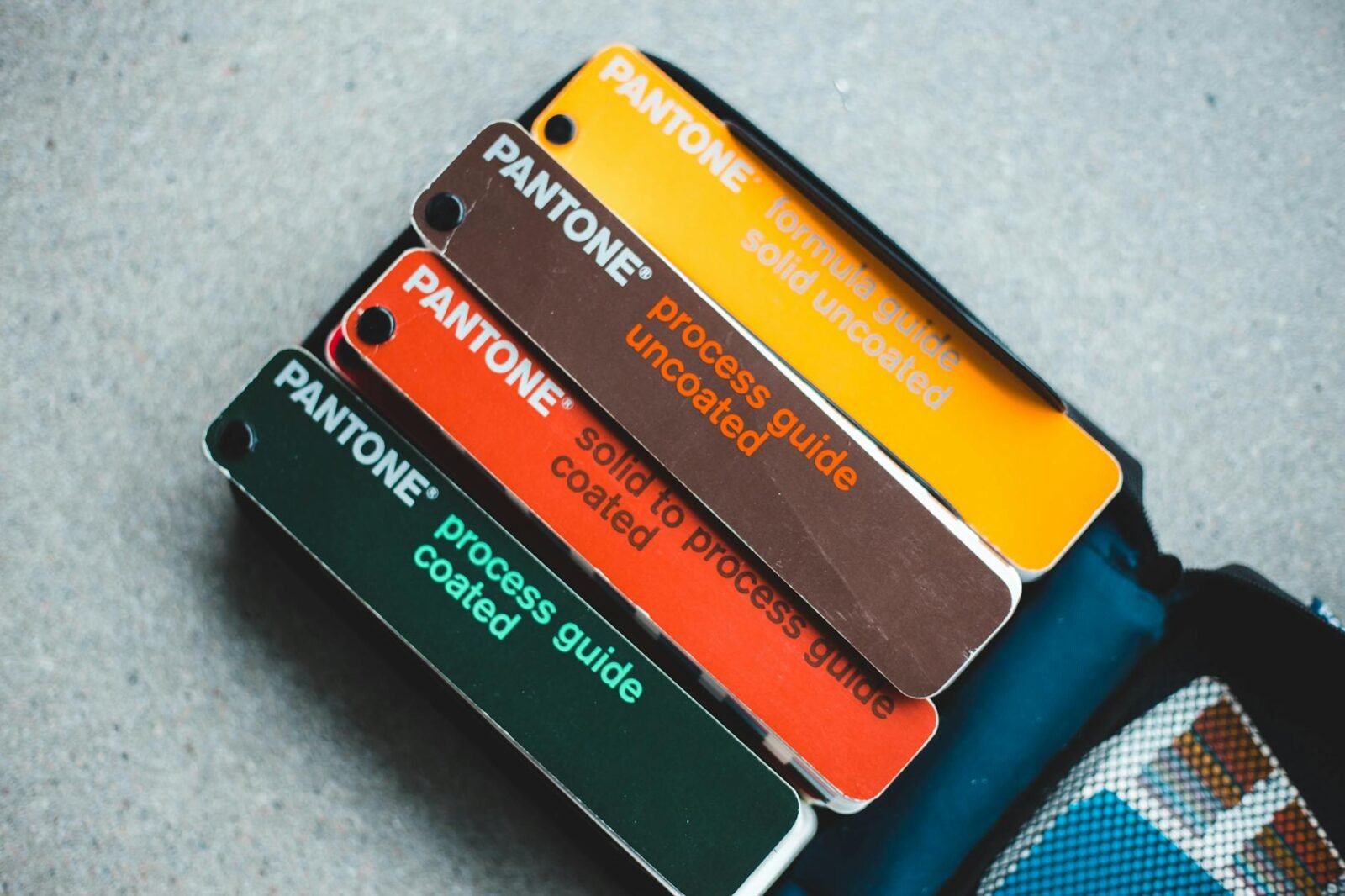
- Creating a consistent visual brand identity (e.g., logo, color scheme, typography)
- Establishing a presence on social media platforms (e.g., LinkedIn, Twitter, Instagram)
- Optimizing your online profiles for search engines
Remember, your online presence should be an extension of your personal brand, showcasing your values, skills, and personality. Make sure your website and social media profiles are updated regularly and that you’re engaging with your audience.
Developing Your Unique Value Proposition (UVP)
Your UVP is the unique value you offer to your audience. It’s what sets you apart from others in your industry or profession and makes you desirable to potential clients, employers, or partners. To develop your UVP, ask yourself:
- What problems do I solve for my audience?
- What unique skills or expertise do I bring to the table?
- What results can I deliver for my audience?
Once you’ve identified your UVP, make sure to communicate it clearly and consistently across all your online platforms. This will help you attract the right audience and establish yourself as an authority in your field.
Key Features of a Strong Personal Brand
A strong personal brand should have the following key features:
- Consistency: Your online presence should be consistent across all platforms.
- Authenticity: Your personal brand should be genuine and authentic, reflecting your true values and personality.
- Clarity: Your UVP should be clear and easy to understand.
- Relevance: Your personal brand should be relevant to your target audience.
Frequently Asked Questions (FAQs)
Here are some frequently asked questions about personal branding:
Q: Why is personal branding important?
A: Personal branding is important because it helps you establish a unique identity and differentiate yourself from others in your industry or profession. It also helps you attract the right audience and establish yourself as an authority in your field.
Q: How do I create a strong personal brand?
A: Creating a strong personal brand requires a thoughtful and intentional approach. It involves defining your values, skills, and personality, crafting your online presence, developing your UVP, and consistently communicating your brand across all platforms.
Q: What is a UVP?
A: A UVP (Unique Value Proposition) is the unique value you offer to your audience. It’s what sets you apart from others in your industry or profession and makes you desirable to potential clients, employers, or partners.
Conclusion
Establishing a strong personal brand takes time and effort, but it’s worth it. By following the steps outlined in this guide, you can create a unique and compelling personal brand that showcases your values, skills, and personality. Remember to stay consistent, authentic, clear, and relevant, and you’ll be well on your way to establishing a strong personal brand that resonates with your target audience.