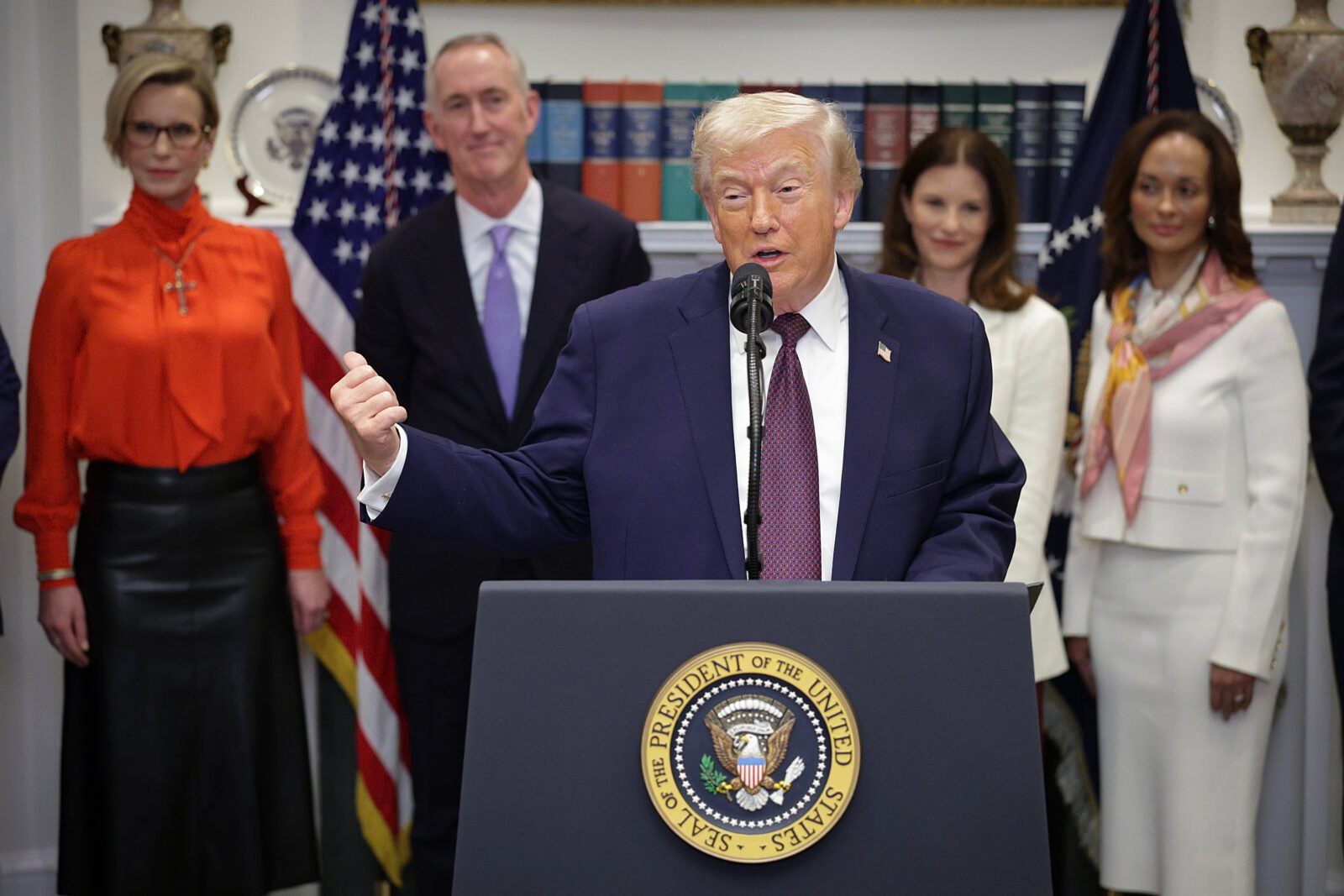

Nine of the largest pharma companies ink deals with Trump to lower drug prices
However, this move may not be as effective as it seems, as the companies agreed to a three-year grace period during which their products won’t face Trump’s planned pharmaceutical-specific tariffs.
Meanwhile, the companies will also invest in U.S. manufacturing, which could benefit the economy.
Consequently, the impact of these deals on U.S. drug prices remains unclear, as the full terms of the agreements were not immediately released.
Pharma companies agree to lower prices in exchange for exemptions
Moreover, the companies will sell their existing treatments to Medicaid patients at the lowest “most favored nation” prices.
Therefore, this move could help reduce the financial burden on patients who rely on these medications.
Among the most notable pledges is that Bristol Myers Squibb will offer Eliquis, its blockbuster blood thinner and top-prescribed product, for free to Medicaid.
Trump’s plan to link U.S. drug prices to cheaper ones abroad
However, Trump’s plan to link U.S. drug prices to cheaper ones abroad has been met with resistance from the pharmaceutical industry.
Furthermore, the U.S. is the single most important market for many drugmakers, regardless of their home country.
Meanwhile, European pharma companies are heavily exposed to the U.S. market, with half of the 10 largest companies on the Continent generating a majority of their sales in the U.S.
U.S. prescription drug prices are nearly three times higher than overseas
Moreover, U.S. prescription drug prices on average are nearly three times higher than overseas, according to a 2024 study by Rand Corp.
Therefore, this move could help reduce the price disparity between the U.S. and other countries.
However, the impact of these deals on U.S. drug prices remains unclear, as the full terms of the agreements were not immediately released.
Source: Link