
Ford Shifts Electric Vehicle Plans Amid Weakening Consumer Market
However, the company’s decision to pivot comes as a response to the Trump administration’s waning support for electrification and a weakening consumer market.
Meanwhile, Ford is shifting its focus to a broader range of hybrids, extended-range electrics, and battery-electric models, which executives now say will account for 50 percent of sales by the end of the decade.
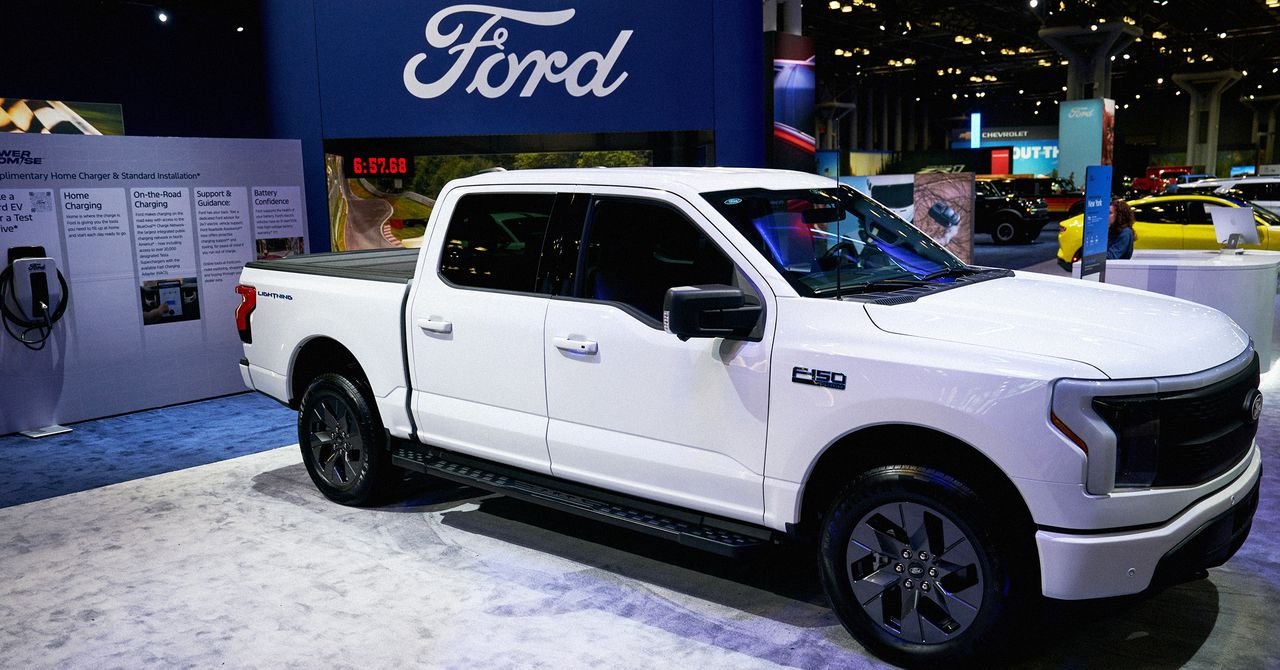
Consequently, the automaker will no longer make a large all-electric truck, and will repurpose an electric vehicle plant in Tennessee to build gas-powered cars.
New Electric Vehicle Plans and Strategies
In addition, Ford still plans to produce a midsize electric pickup truck with a target starting price of about $30,000, to be available in 2027.
Furthermore, the company will open a whole new business: a battery energy-storage sideline, using excess battery-making capacity to produce lower-cost and longer-living lithium iron phosphate, or LFP, batteries for customers in the public utility or data center industries.
Additionally, Ford has canceled an all-electric commercial van planned for the European market, and will team up with Renault to develop at least two small Ford-branded electric vehicles for Europe.
CEO’s Statement on the Shift
Moreover, Ford CEO Jim Farley called the move a “fight for our lives,” as US automakers try to compete with affordable EVs out of China.
Therefore, the company’s new plans leave Ford with a bunch of excess battery-making capacity, which the company says it will use to open a whole new business.
However, US customer adoption of electric vehicles is not where the industry expected at decade’s start, according to Andrew Frick, the president of Ford Blue and Ford Model e.
Source: Link