
Starlink and Chinese Satellites Nearly Collided Last Week
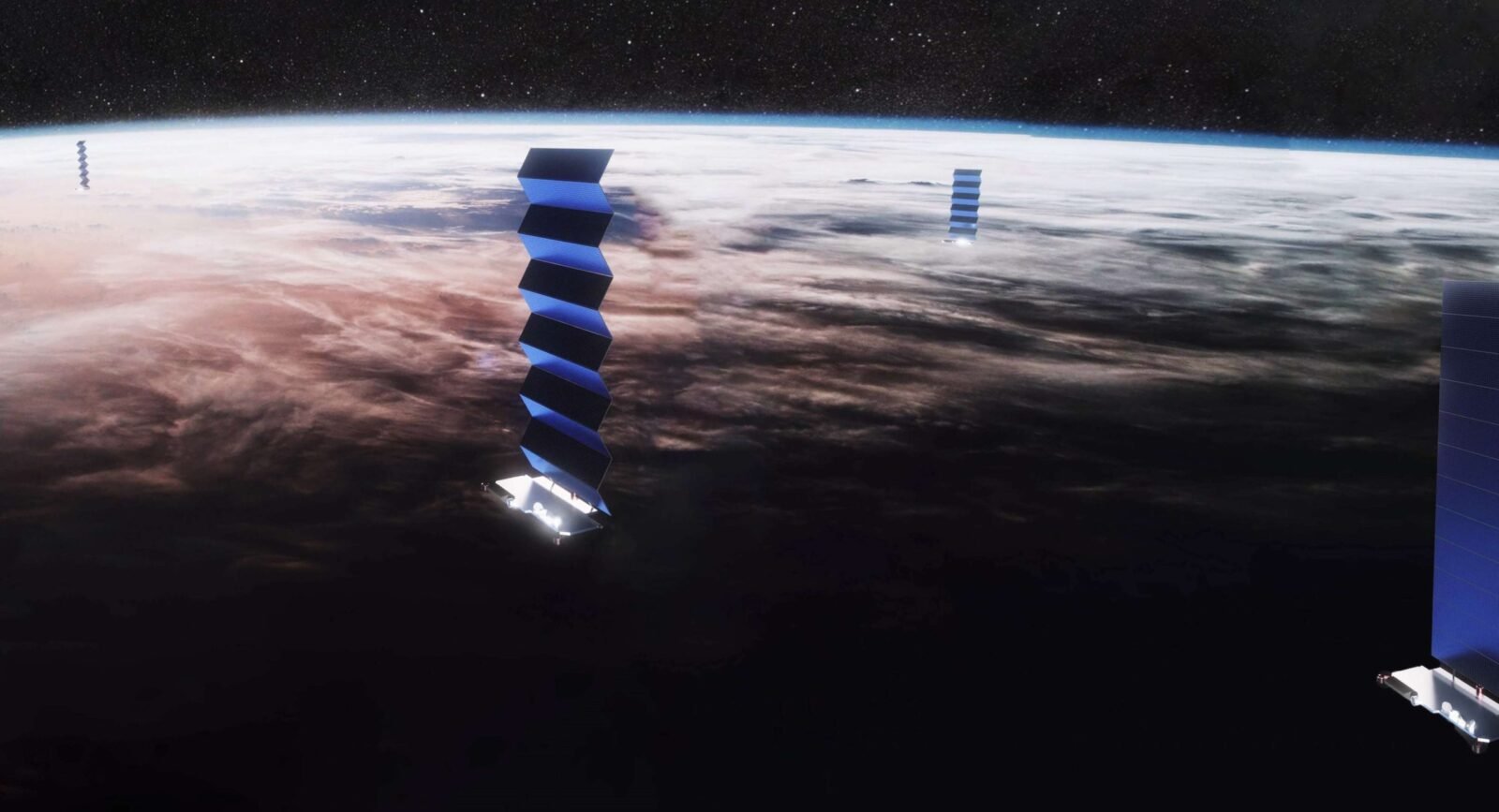
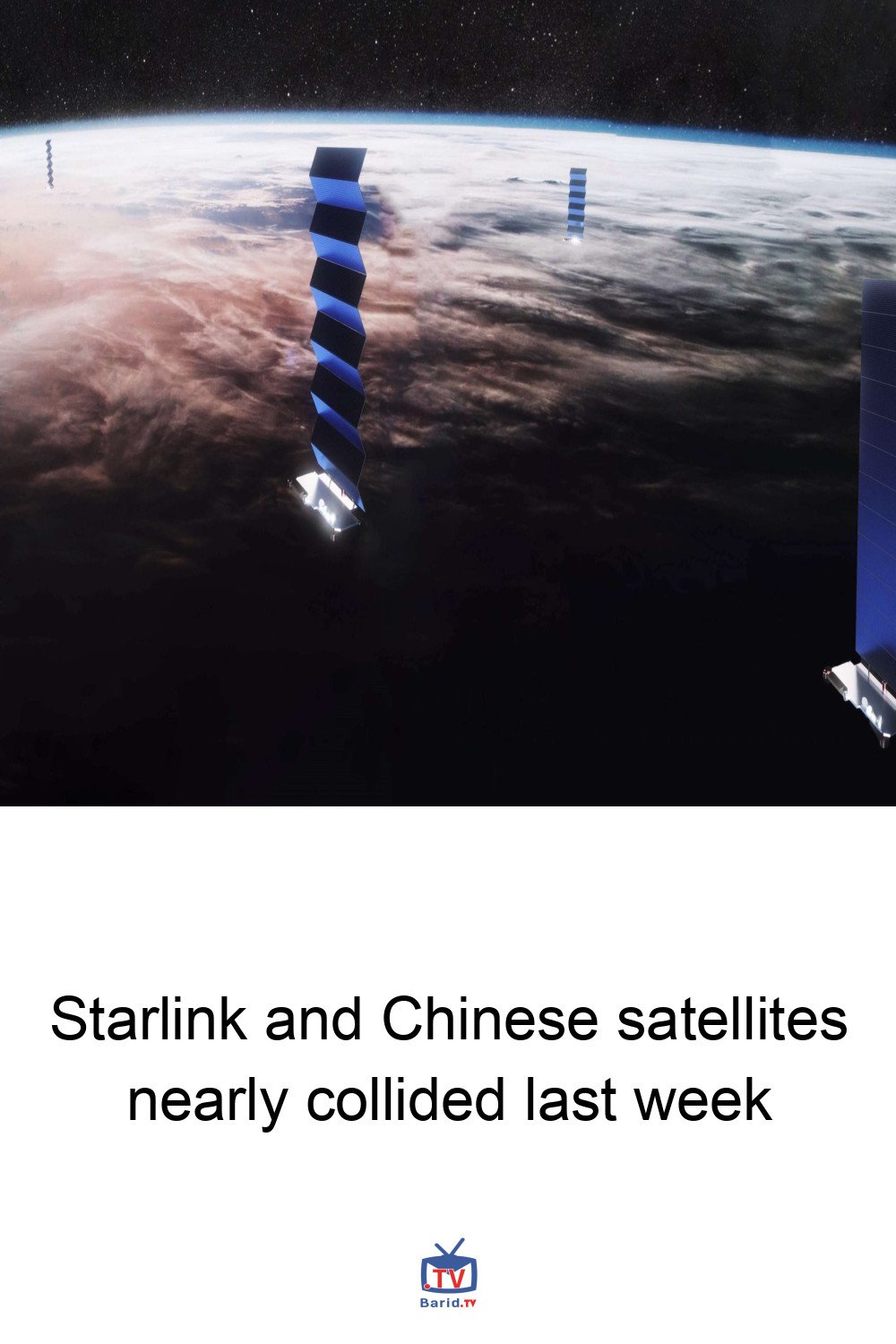
Meanwhile, a newly deployed Chinese satellite came within a few hundred meters of one of the roughly 9,000 Starlink satellites currently operating in low Earth orbit.
SpaceX is laying the blame on the satellite operator for not sharing location data.
“When satellite operators do not share ephemeris for their satellites, dangerously close approaches can occur in space,” wrote Michael Nicolls, VP of Starlink Engineering.
Collision Avoidance System Fails
However, those objects have to be known for the avoidance system to work.
Starlink satellites have the ability to automatically adjust course to avoid objects in their path.
In the first six months of 2025, Starlink spacecraft performed over 144,000 such maneuvers.
Kessler Syndrome Scenario
Moreover, over 24,000 objects, including satellites and debris, are currently being tracked in low Earth orbit, an increase of 76 percent since 2019.
And by the end of this decade, there could be as many as 70,000 satellites operating in that same region.
News of the near-miss will only increase worry over so many spacecraft operating in the same region.
Consequences of a Collision
Consequently, any collision could trigger a Kessler syndrome scenario, whereby a cascading series of collisions would wipe out existing satellites and make the entirety of low Earth orbit unusable.
The offending satellite was launched by CAS Space, which responded to Nicolls on X.
However, the incident “occurred nearly 48 hours after payload separation, by which time the launch mission had long concluded,” said CAS Space.
Space Debris in Low Earth Orbit
Therefore, the commercial space launch company, based in Guangzhou, China, then seemed to distance itself from blame.
According to the publication Space, over 24,000 objects, including satellites and debris, are currently being tracked in low Earth orbit, an increase of 76 percent since 2019.
And by the end of this decade, there could be as many as 70,000 satellites operating in that same region.
Source: Link