
iRobot’s Downfall: A Cautionary Tale of Innovation and Decline
Founded in 1990 by MIT roboticist Rodney Brooks and his former students Colin Angle and Helen Greiner, iRobot was once a pioneer in the field of robotics, teaching your vacuum to navigate around furniture. However, the company’s 35-year run came to an abrupt end when it filed for Chapter 11 bankruptcy on Sunday.
A Glimpse into iRobot’s Past Successes
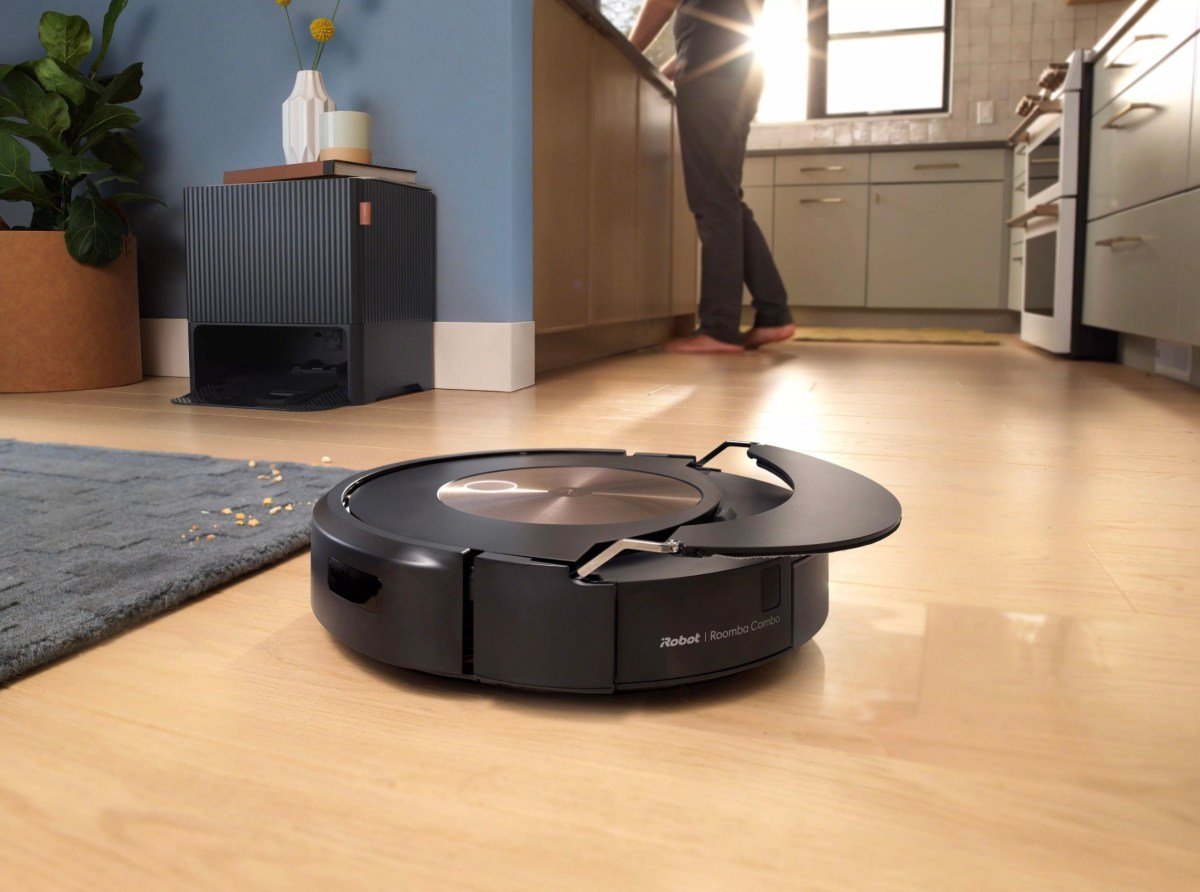
Brooks, the founding director of MIT’s Computer Science and Artificial Intelligence Lab, spent the eighties watching insects and having epiphanies about how simple systems could produce complex behaviors. Meanwhile, the Roomba, launched in 2002, became the rare gadget that transcended its category to become a verb, a meme, and, to the amusement of many, a cat-transportation device.
iRobot’s Financial Ups and Downs
The money soon followed, with the company raising $38 million altogether, including from The Carlyle Group, before going public in a 2005 IPO that raised $103.2 million. Consequently, iRobot was flush enough to launch its own venture arm, prompting TechCrunch to wryly declare that “robot domination may have just taken another step forward.”
The Amazon Deal and Its Aftermath
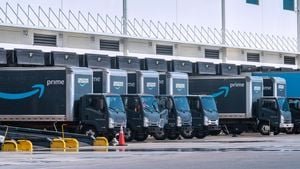
Then Amazon came knocking. In 2022, the corporate giant agreed to acquire iRobot for $1.7 billion in what would have been Amazon’s fourth-largest acquisition ever at the time. However, European regulators had other ideas, and the deal was eventually killed in January 2024, with Amazon paying a $94 million breakup fee and walking away.
iRobot’s Slow-Motion Collapse
What followed was a slow-motion collapse. Earnings had been declining since 2021 thanks to supply chain chaos and Chinese competitors flooding the market with cheaper robot vacuums. Moreover, the Carlyle Group, which provided a $200 million lifeline back in 2023, ultimately just prolonged the inevitable.
iRobot’s Restructuring Plan
Now it’s over, at least, the version of iRobot that existed previously. Shenzhen PICEA Robotics, iRobot’s main supplier and lender, will take control of the reorganized company. Meanwhile, iRobot has vowed to “meet its commitments to employees and make timely payments in full to vendors and other creditors for amounts owed throughout the court-supervised process.”
What This Means for Customers
According to iRobot, the restructuring plan allows the company to remain as a going concern and “continue operating in the ordinary course with no anticipated disruption to its app functionality, customer programs, global partners, supply chain relationships, or ongoing product support.” However, the company’s future remains uncertain, and customers may lose access to features like app-based scheduling and voice commands.
Update: This story has been updated with comment from iRobot.
Source: Link