
AI Image Generators Get Better by Getting Worse
Remember the early days of AI image generation? Oh how we laughed when our prompts resulted in people with too many fingers, rubbery limbs, and other details easily pointing to fakes. However, if you haven’t been keeping up, I regret to inform you that the joke is over.
AI image generators are getting way better at creating realistic fakes, partly thanks to a surprising new development: making image quality a little bit worse. OpenAI debuted its image generation tool DALL-E a little less than five years ago, but it was only able to generate 256 x 256 pixel images; tiny thumbnails, basically.
From Early Flaws to Realism
Midjourney and Stable Diffusion also came to prominence around this time, embraced by AI artists and people with, uh, less savory designs. New, better models emerged over the next couple of years, minimizing the flaws and adding the ability to render text somewhat more accurately.
But most AI generated images still carried a certain look: a little too smooth and perfect, with a kind of glow you’d associate with a stylized portrait more than a candid photo. Some AI images still look that way, but there’s a new trend toward actual realism that tones down the gloss.
Google’s Nano Banana Pro: A Game-Changer
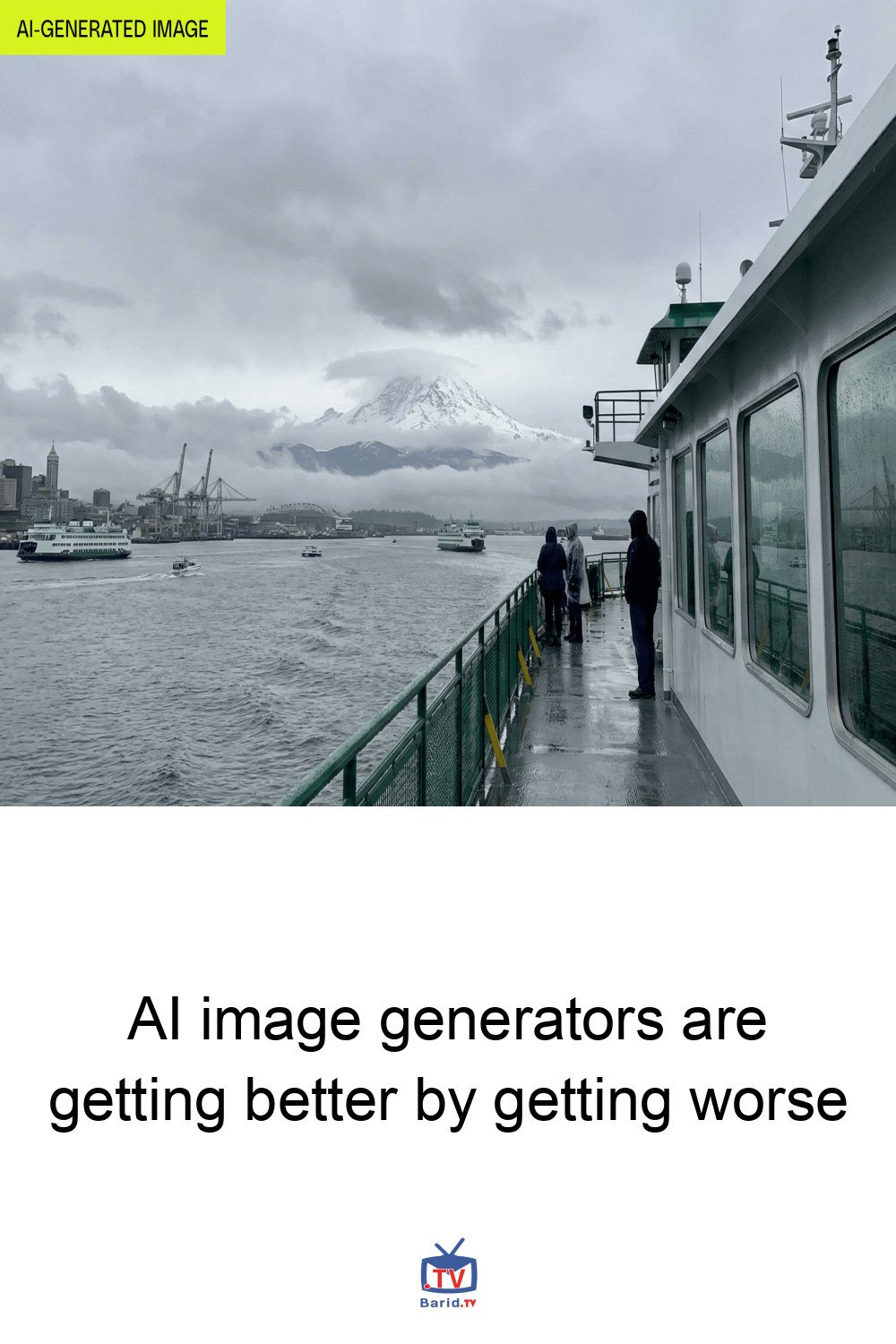
updated its image model less than a month ago, touting Nano Banana Pro as its most advanced and realistic model yet. It’s able to draw from real-world knowledge and render text better, but the thing I find most interesting is that it often mimics the look of a photo taken with a phone camera.
Contrast (or lack thereof), perspective, aggressive sharpening, exposure choices — so many of the images this model generated for me bear the hallmarks of phone camera systems. Whether you’re aware of it or not, you’re probably attuned to this look, too.
The Future of AI Image Generation
There are a lot of good reasons to treat claims of AI’s infinite potential for improvement with skepticism. AI agents still struggle at buying you a pair of shoes. But the imaging models? They have vastly improved, and the evidence is in front of our eyes.
I recently spoke to Ben Sandofsky, one of the cofounders of the popular iPhone camera app Halide, about the AI-imitating-smartphones trend recently. He says that by embracing the strong processing tendencies and familiarity of phone camera photos, which already make our photos look a little untethered from reality, “Google might have sidestepped around the uncanny valley.”
Source: Link