
EU Takes a Stand Against Russia: Freezing Assets to Support Ukraine
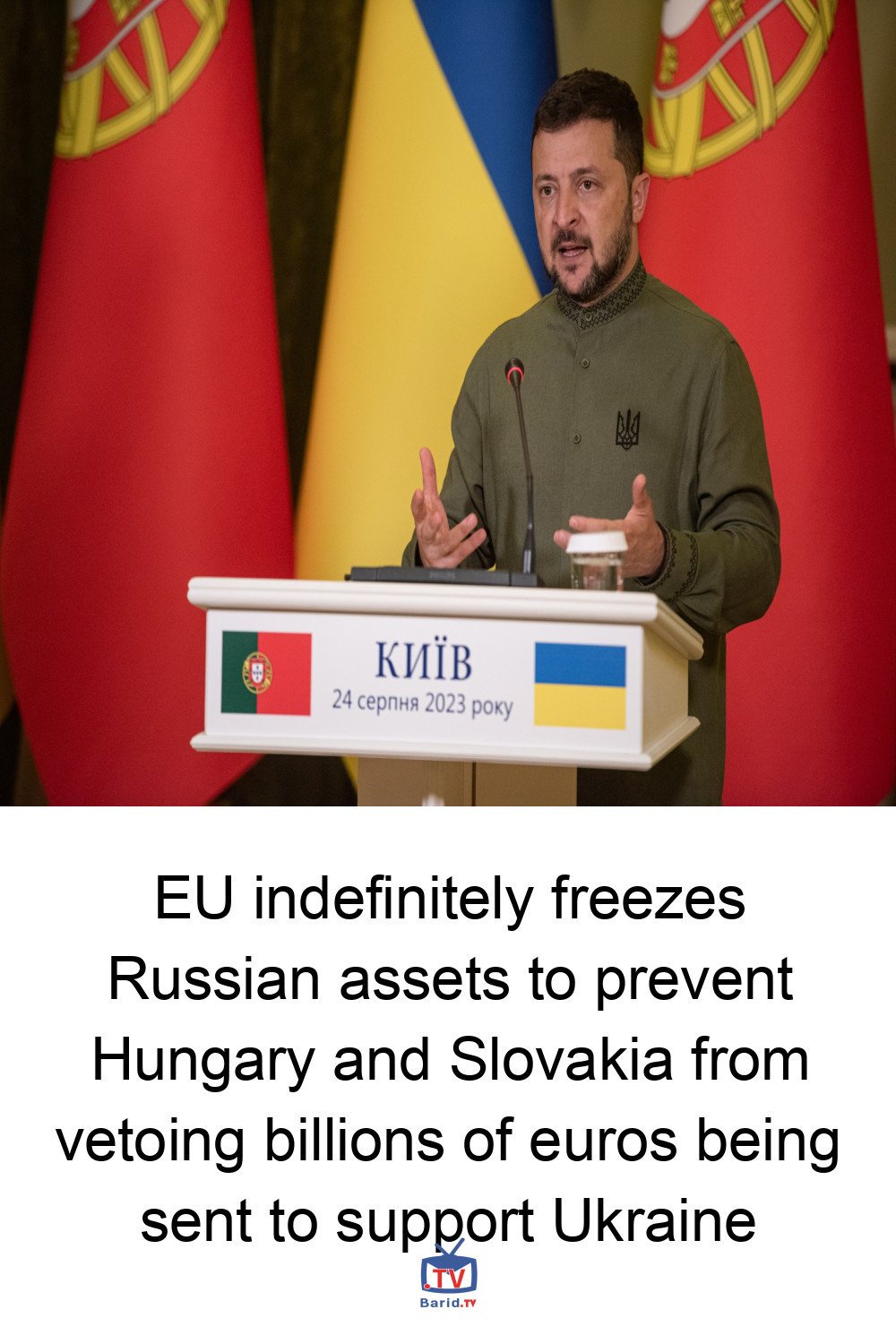
Meanwhile, the European Union has taken a crucial step to prevent Hungary and Slovakia from vetoing billions of euros being sent to support Ukraine. The EU has indefinitely frozen Russia’s assets in Europe, ensuring that the funds cannot be used to block the sanctions rollover.
Consequently, this move will allow EU leaders to work out at a summit next week how to use the tens of billions of euros in Russian Central Bank assets to underwrite a huge loan to help Ukraine meet its financial and military needs over the next two years.
However, this decision has been met with opposition from Hungary and Slovakia, which object to providing more support to Ukraine. Hungarian Prime Minister Viktor Orbán has stated that the rule of law in the European Union has come to an end, and Europe’s leaders are placing themselves above the rules.
Russia Takes Legal Action Against Euroclear
Moreover, Russia’s Central Bank has filed a lawsuit in Moscow against Euroclear for damages it says were caused when Moscow was barred from managing the assets. The Belgian clearing house has around 17 billion euros in Russia, and it’s unclear what would happen to that money if the legal challenge or others like it succeed.
In addition, the Central Bank has described wider EU plans to use Russian assets to aid Ukraine as “illegal, contrary to international law,” arguing that they violated “the principles of sovereign immunity of assets.” However, EU Economy Commissioner Valdis Dombrovskis has brushed off the suit, saying that the decision is “legally robust.”
EU’s Decision: A Key Step in Supporting Ukraine
Therefore, the EU’s decision to freeze Russia’s assets is a key step in supporting Ukraine, which has been heavily damaged by the war. The move will allow EU leaders to work out how to use the frozen assets to underwrite a huge loan to help Ukraine meet its financial and military needs over the next two years.
Meanwhile, the EU has already provided nearly 200 billion euros in support to Ukraine, and the war has imposed heavy costs by hiking energy prices and stunting economic growth in the EU. The commission argues that the war has imposed heavy costs, and the EU’s decision to freeze Russia’s assets is a crucial step in supporting Ukraine.
Source: Link