
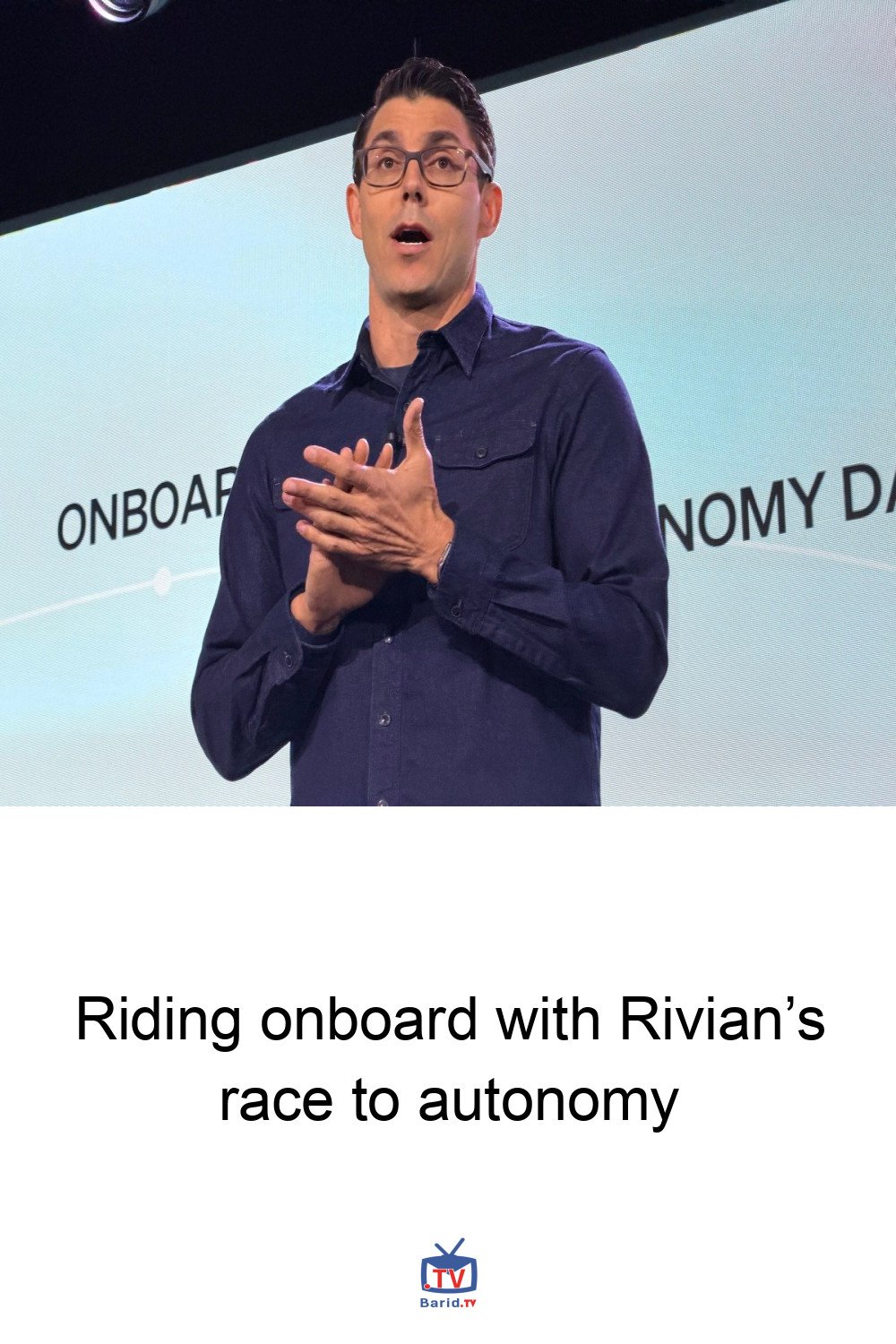
Riding onboard with Rivian’s race to autonomy
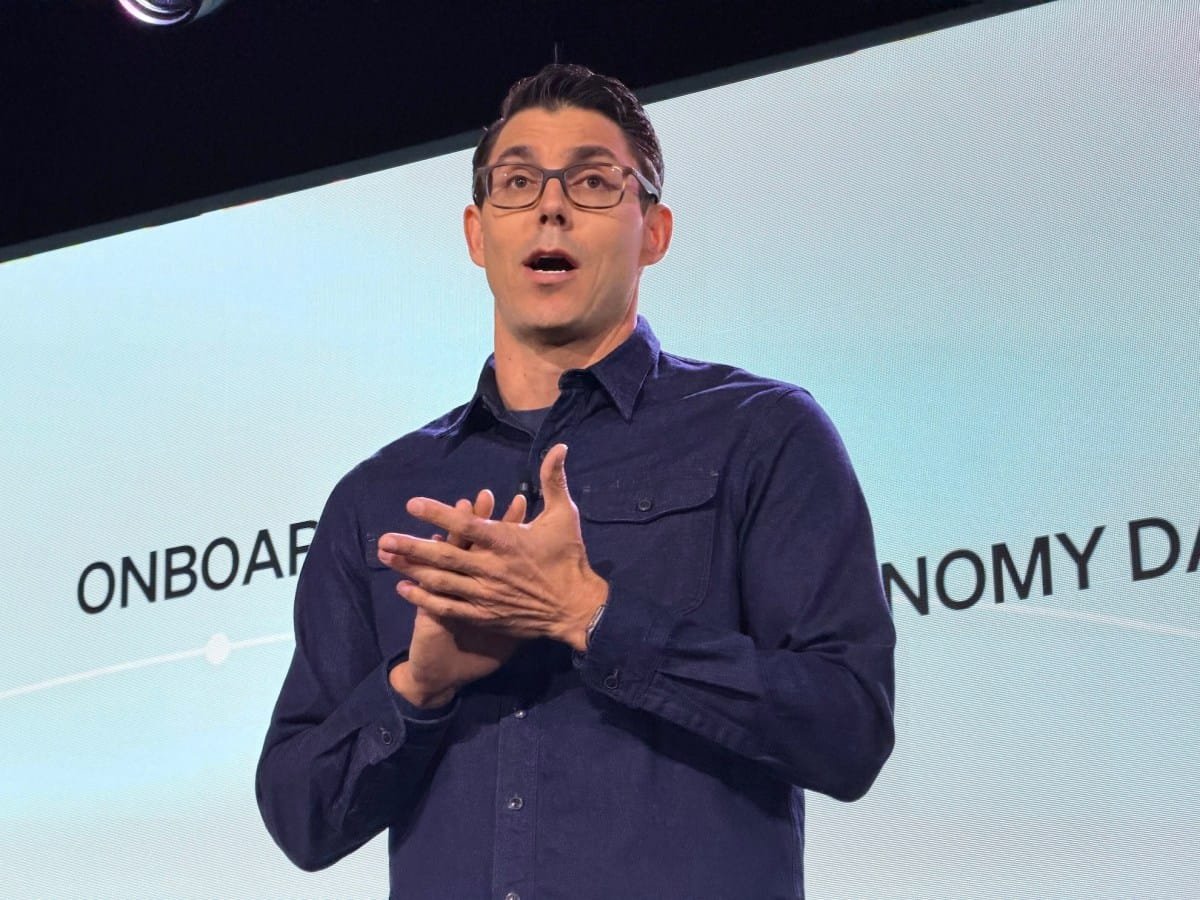
Meanwhile, Rivian’s “Autonomy & AI Day” showcased the company’s plans to make its vehicles capable of driving themselves, but it wasn’t without its challenges.
It started with a cafeteria robot that swerved through the office, only to get stuck, flashing a yellow screen with the words “I’m stuck.” This inauspicious start served as a reminder that autonomy is hard.
From rules to AI-centric approach
However, Rivian’s CEO RJ Scaringe had a different vision. He quietly reconstituted the team in 2021, starting with a clean sheet and designing the self-driving platform for an AI-centric world.
After spending time in the basement, Rivian launched the new ground-up driving software in 2024 on its second-generation R1 vehicles, which use Nvidia’s Orin processors.
Demo drive and challenges
During my demo drive in a 2025 R1S SUV, I experienced a few disengagements, including one where the employee in the driver’s seat took over due to a one-lane section of road.
However, the rest of the drive went well, with the software stopping at stoplights, handling turns, and slowing for speed bumps without programmed rules.
Universal Hands-Free driving and the future
Consequently, Rivian is betting it can train its Large Driving Model (LDM) on fleet data so quickly that it will allow the company to roll out “Universal Hands-Free” driving in early 2026.
That means Rivian owners will be able to take their hands off the wheel on 3.5 million miles of roads in the U.S. and Canada, with the company planning to allow “point-to-point” driving in the back half of 2026.
Challenges and the future of autonomy
Moreover, the rollout introduces a near-term challenge for Rivian, as the new autonomy computer and lidar won’t be ready until months after the R2 goes on sale.
However, Scaringe remains optimistic, saying that he still thinks it’s possible for Rivian to enable a use case like autonomous driving on a hike in the next few years.
Conclusion
Therefore, Rivian’s journey to autonomy is not without its challenges, but the company remains committed to its vision of making its vehicles capable of driving themselves.
As Scaringe said, “When tech is moving as fast as it is, there’s always going to be some level of obsolescence, and so what we want to do here is to be really direct” about what’s coming.
Source: Link