
Inside Rivian’s Big Bet on AI-Powered Self-Driving
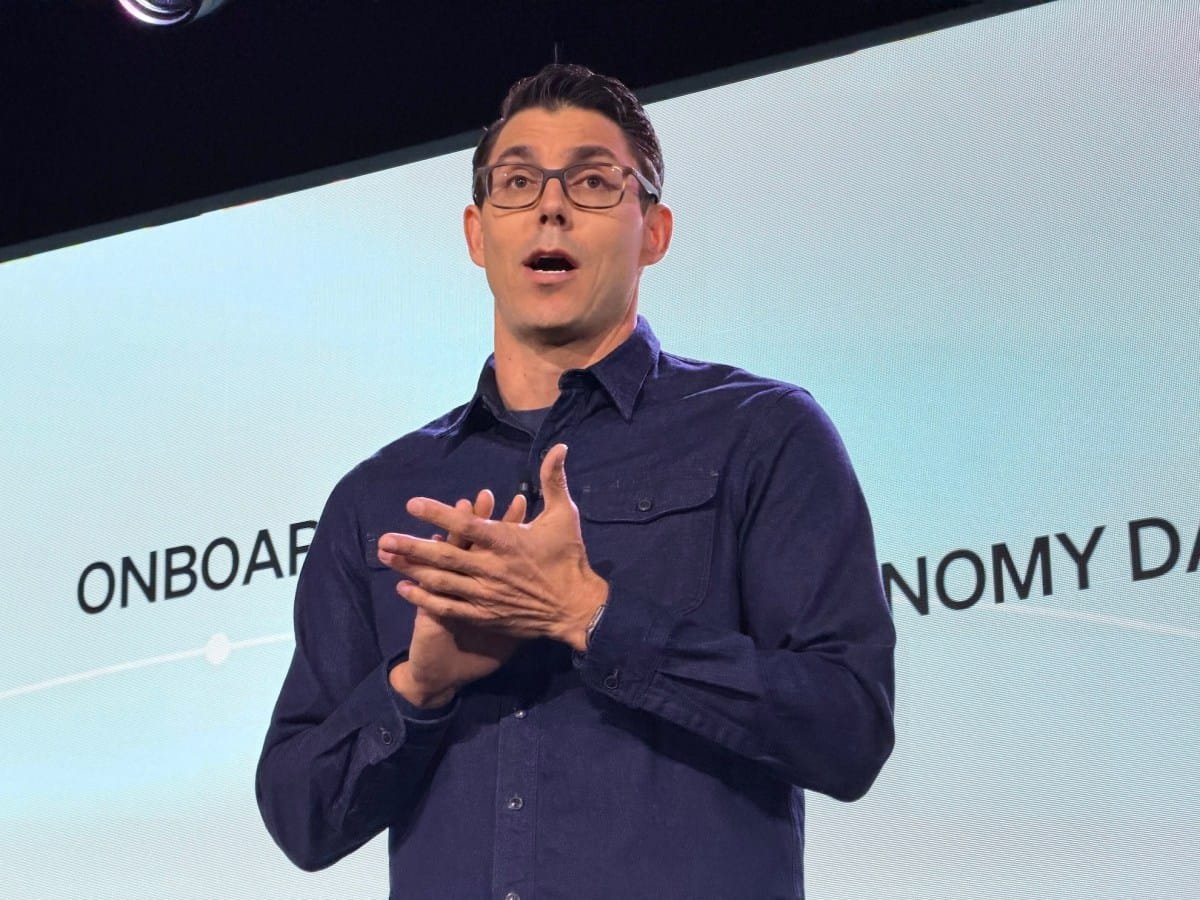
Meanwhile, Rivian is pushing forward with its ambitious plans for autonomous vehicles, showcasing its new Large Driving Model (LDM) at its Autonomy & AI Day event.
However, the company’s demo ride didn’t exactly go smoothly, with a cafeteria robot getting stuck and a 2025 R1S SUV experiencing minor disengagements during a 15-minute test drive.
Consequently, Rivian’s CEO RJ Scaringe acknowledged the challenges of developing self-driving technology, saying that it’s “hard” and that the company has been working on a clean sheet approach since 2021.
A Quiet Pivot in 2021
Moreover, Scaringe revealed that Rivian saw the potential of transformer-based AI in 2021 and reconstituted its team to design a self-driving platform for an AI-centric world.
Therefore, the company launched its new ground-up driving software in 2024 on its second-generation R1 vehicles, which use Nvidia’s Orin processors.
In addition, Scaringe said that it was only recently that his company started to see dramatic progress “once the data started really pouring in.”
The ‘Eyes Off’ to ‘Hands Off’ Challenge
Meanwhile, Rivian is betting it can train its LDM on fleet data so quickly that it will allow the company to roll out what it calls “Universal Hands-Free” later this month.
However, this rollout introduces a near-term challenge for Rivian, as the new autonomy computer and lidar won’t be ready until months after the R2 goes on sale.
Consequently, customers who buy an R2 in the first nine months will have to wait for the full range of autonomous features.
A Long-Term Vision
Moreover, Scaringe still thinks it’s possible for Rivian to enable a use case like allowing vehicles to meet drivers at the end of a hike in the next few years.
Therefore, the company is committed to pushing the boundaries of autonomous technology and making it a reality.
Source: Link