

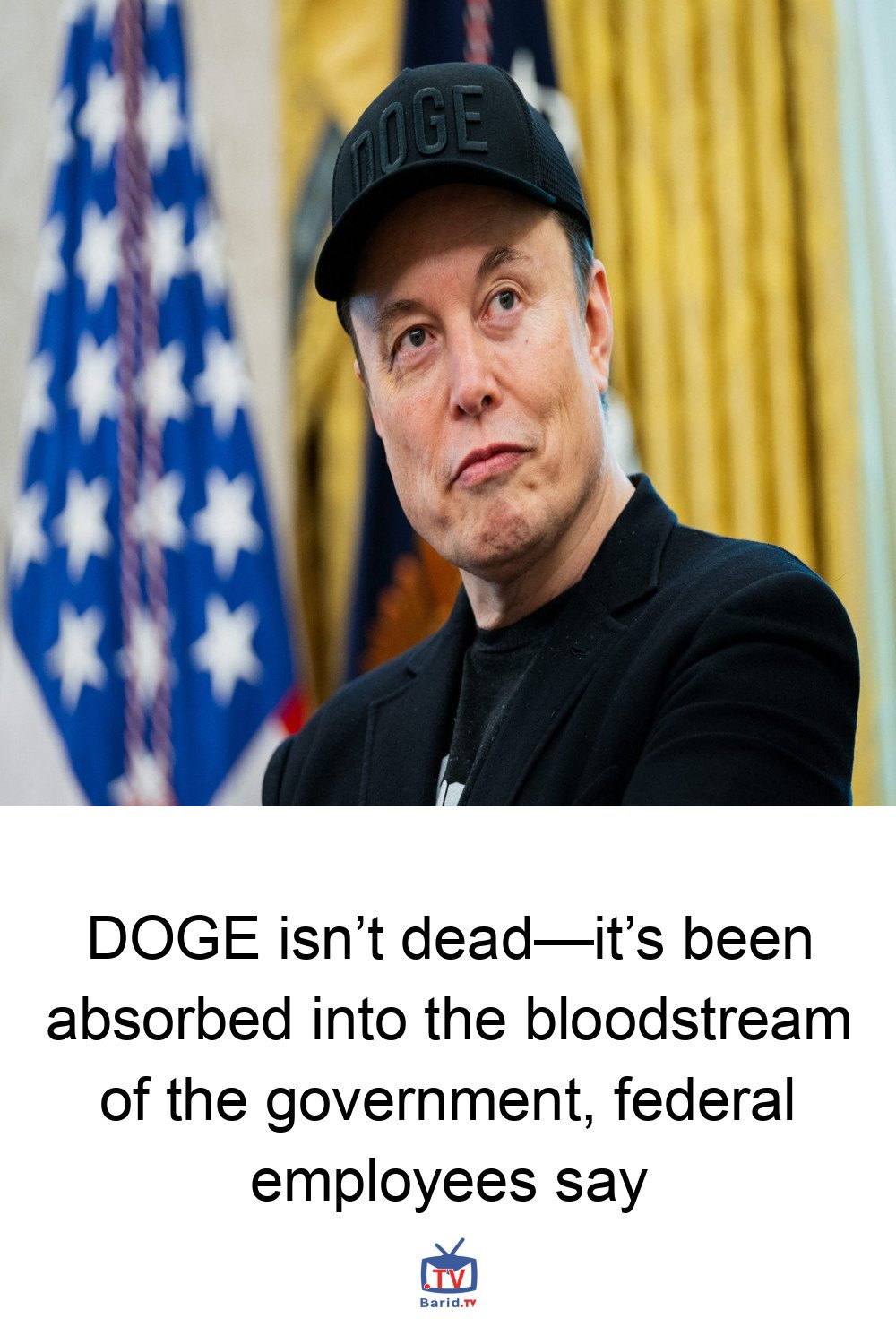
DOGE’s Legacy Lives On: A New Era of Government Efficiency
DOGE, the special advisory group aimed at eliminating government “waste, fraud, and abuse,” may have been disbanded, but its impact still resonates throughout the federal government.
According to two federal employees who spoke to Fortune on the condition of anonymity, DOGE’s principles remain alive and well, driving de-regulation, eliminating waste, and reshaping the federal workforce.
DOGE’s Current State: A Shell of Its Former Self
However, the group’s current state is far from its former glory. An IRS employee revealed that DOGE has become a shell company, with operatives from the temporary group becoming tangled in the oversight of individual government agencies. Consequently, the agency has been administering coding tests to employees, a directive from the Treasury Department’s chief information officer and DOGE operative, Sam Corcos.
DOGE’s Lasting Impact: A Productivity Boost or a Productivity Bust?
Meanwhile, DOGE’s sweeping changes have continued to impact the government’s productivity. For the IRS, December is usually a quiet month, but this year, offices are so short-staffed that employees have been overwhelmed, balancing taking calls with their other responsibilities. In addition, ongoing burnout from increased workloads has the potential to impact the quality of internal reviews.
Musk’s Take on DOGE: A Mixed Bag
Therefore, Elon Musk, who was DOGE’s de facto leader as a special government employee earlier this year, had his own reservations about the group’s effectiveness. In an interview with conservative influencer Katie Miller, Musk said DOGE was only “somewhat successful,” claiming it saved the government between $100 billion and $200 billion in annual “zombie payments.”
The Future of DOGE: A New Era of Workplace Innovation
In addition, the next era of workplace innovation is here, and the old playbook is being rewritten. At the Fortune Workplace Innovation Summit, the world’s most innovative leaders will convene to explore how AI, humanity, and strategy converge to redefine the future of work.
Source: Link