
The Hidden Money Pit: How to Uncover and Utilize It
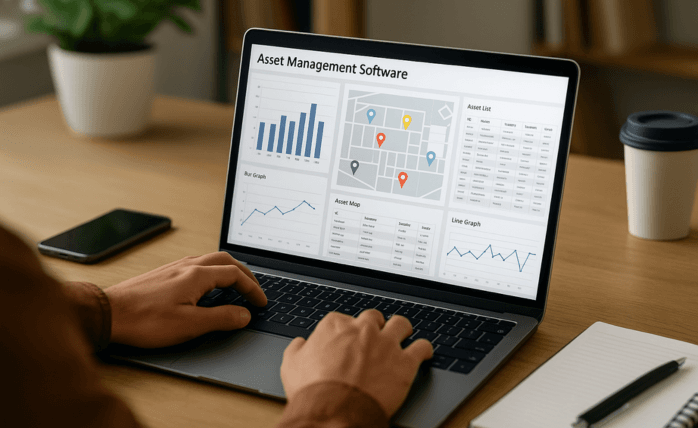
In the pursuit of operational efficiency, businesses often overlook a crucial area of cost reduction: asset management. By leveraging smart asset management software, organizations can streamline processes, optimize resource consumption, and make informed decisions, ultimately saving thousands in wasted time, stock, and maintenance.
Streamlining Operations
Asset management software can automate inventory tracking, eliminating manual errors and discrepancies. This leads to more accurate inventory levels, preventing overstocking and understocking, which can result in significant losses. Additionally, these systems enable users to access up-to-date information, ensuring that critical supplies are always available.
Optimizing Asset Utilization
By tracking usage patterns, asset management software can help businesses identify areas where resources are being underutilized. This information can be used to reassign or repurpose assets, reducing maintenance costs and ensuring that capital is spent on assets that are in full working condition.
Reducing Maintenance Costs
Preventive maintenance is a key strategy for reducing unexpected breakdowns and repair costs. Asset management software can organize periodic maintenance inspections, allowing equipment to function better and extending its lifespan. This proactive approach also reduces emergency repair costs, which are often higher than planned maintenance.
Enhancing Decision-Making
With detailed reporting and analytics, asset management software provides decision-makers with a comprehensive understanding of asset performance and costs. This information enables businesses to identify trends, make informed decisions, and avoid unnecessary purchases.
Boosting Employee Productivity
By streamlining asset management, businesses can reduce the time employees spend searching for tools and equipment. This, in turn, increases productivity, reduces labor costs, and enhances the overall business workflow.
Facilitating Compliance and Risk Management
Asset management software ensures proper organization and storage of essential documentation, complying with industry regulations. This also minimizes the risk of violations, saving businesses from costly fines and legal troubles.
Optimizing Procurement Processes
By providing insights into current stock and future demand, asset management software can help organizations optimize purchase costs. This includes avoiding duplicate purchases and negotiating better terms with suppliers.
Simplifying Remote Asset Management
As businesses operate across multiple locations, asset management software enables companies to track and manage assets remotely. This critical capability reduces operating costs and optimizes resource allocation.
Enhancing Security Measures
Asset management software includes security features that track usage and access, preventing asset theft and unauthorized usage. This ensures that assets are used appropriately, reducing the risk of loss or damage.
Conclusion
Good asset management software is a complete solution for optimizing operational costs. By streamlining processes, optimizing resource consumption, and making informed decisions, businesses can save significantly and achieve long-term efficiency and sustainability.
Source: Link