
How the Next Big Thing in Carbon Removal Sunk Without a Trace
Details
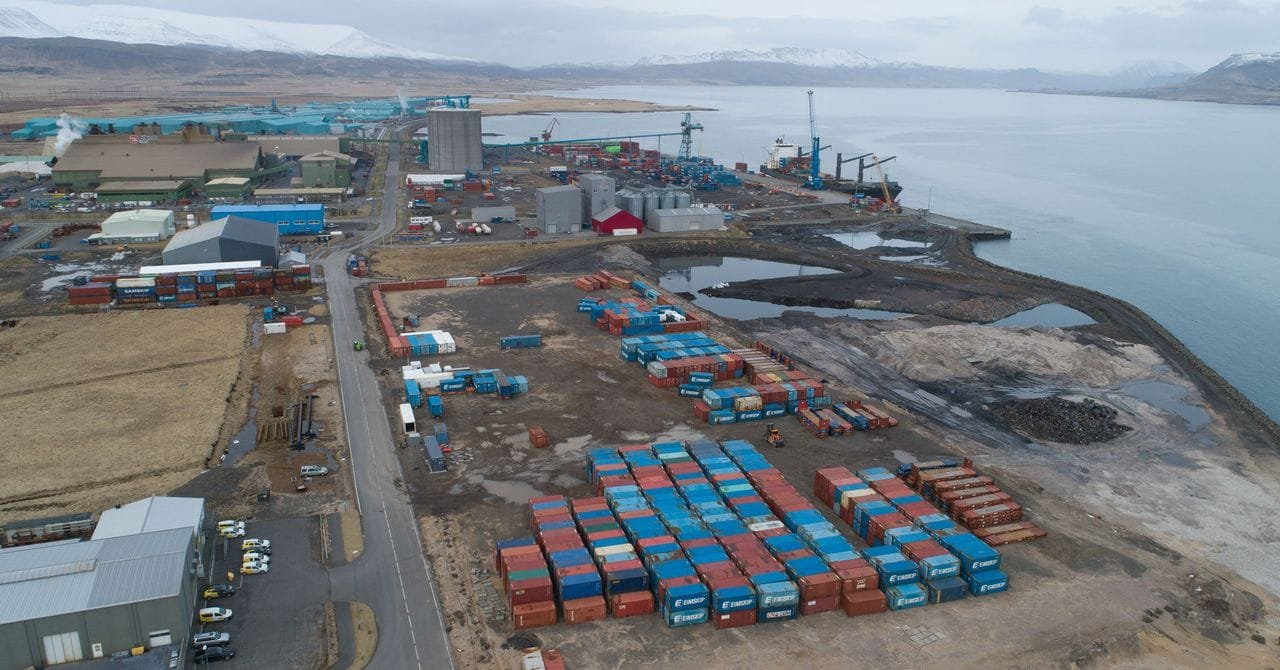
The ambitious startup Running Tide, backed by Microsoft, Stripe, and Shopify, promised to revolutionize carbon removal. However, its grand plans were marred by controversy and ultimately, a lack of scientific credibility. The company’s Icelandic base of operations, where it dumped thousands of tons of wood chips into the ocean, has left a trail of uncertainty and questions about the effectiveness of its carbon removal methods.
The Rise and Fall of Running Tide
Founded by Marty Odlin, Running Tide initially touted a vision of free-floating “micro forests” of seaweed that would capture carbon from the atmosphere. However, within nine months, the company shifted its focus to dumping wood chips in the ocean, a method that many experts describe as “poor science fiction.” The startup’s methods likely removed no atmospheric carbon while contributing to marine pollution, violating maritime rights in the process.
The Carbon Removal Market
The carbon removal market has grown exponentially, with Verra overseeing the lion’s share of sales. However, controversy has rocked the industry, with the failure of an organization like Verra to catch the South Pole debacle suggesting a lack of oversight. Large companies are now turning to in-house verification of credits, bypassing the seemingly broken system.
The Future of Carbon Removal
The demise of Running Tide is a warning of what could be next as the demand for carbon removal grows. Investors continue to pour hundreds of millions of dollars into experimental and potentially harmful technologies designed to lock away more carbon in the sea. As the industry evolves, it remains to be seen whether companies will prioritize scientific credibility over grand promises.
For more news, visit our website.
Source: Click Here