

The Fiber Conundrum: Why High-Protein Diets Need a Fiber Boost
In the realm of nutrition, high-protein diets have long been the darling of health enthusiasts. However, a recent trend suggests that it’s time to shift the focus to fiber, a nutrient that’s been quietly falling short in many Americans’ diets. According to experts, a high-protein diet without sufficient fiber can lead to digestive issues, bloating, and even chronic diseases.
Why Fiber Matters
Fiber, a nondigestible carbohydrate, plays a crucial role in maintaining a healthy gut microbiome, regulating blood sugar levels, and supporting satiety. A diet rich in fiber can also lower the risk of colorectal cancer, coronary heart disease, stroke, and type 2 diabetes. Experts emphasize that fiber quality matters, and whole foods should be the primary source of fiber intake.
The Fiber-Deficient American Diet
A recent study found that 95% of Americans fall short on fiber intake, with many relying on processed foods and sugary snacks for fiber. This can lead to a range of health issues, including digestive problems, weight gain, and increased risk of chronic diseases.
Expert Insights
Registered dietitian nutritionists Ella Davar, Maya Feller, and Lauren Huber share their expertise on the importance of fiber in a high-protein diet.
* “We are working hard on educating people that it’s not just protein that’s going to keep you strong and young. It’s also fiber,” says Ella Davar, M.S., RDN.
* “A very high-protein dietary pattern without enough fiber is risky. Over the long term, it can work against whole-body and metabolic health,” warns Maya Feller, M.S., R.D., CDN.
* “Carbohydrates are the only macronutrient that naturally contains fiber (protein and fat don’t) so if you want better digestion, better fullness, better blood sugar control, and a more sustainable calorie deficit… you need the right carbs,” advises Lauren Huber, M.S., R.D.
Building a Strong Fiber Foundation
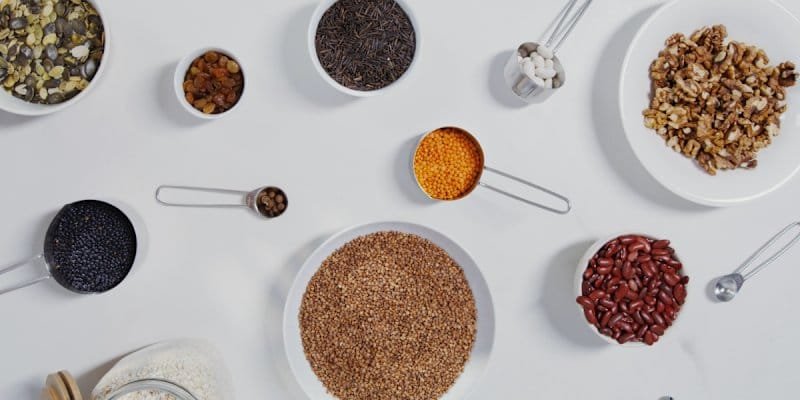
Experts recommend focusing on whole foods to build a strong fiber foundation. This includes starches, fruits, beans, legumes, and other whole food carbohydrate sources. Diversifying fiber sources can help regulate digestion, support satiety, and promote overall health.
Portion Sizes and Fiber Counts
Understanding portion sizes and fiber counts of common foods can help individuals meet their daily fiber needs. For example, a typical one-ounce serving of nuts and seeds can vary in fiber content, while vegetables like celery, artichokes, and asparagus are rich in fiber.
For more news, visit our website.
Source: Click Here