

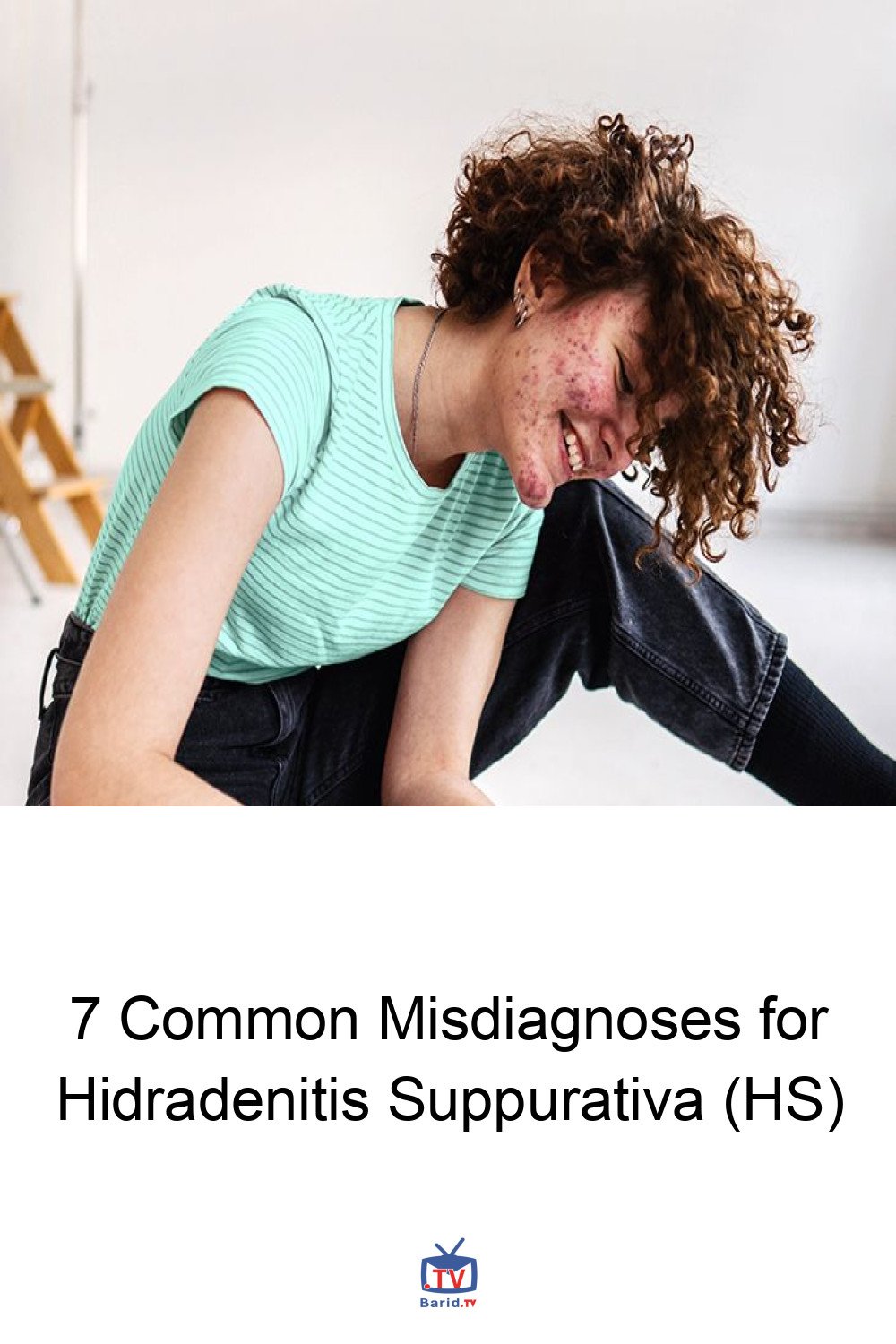
7 Common Misdiagnoses for Hidradenitis Suppurativa (HS)
Understanding the Misdiagnoses
Hidradenitis suppurativa (HS) is a chronic skin condition that often gets mistaken for other conditions due to its similar symptoms. It is essential to know how to differentiate HS from other skin issues to receive the correct diagnosis and treatment. In this article, we will explore 7 common misdiagnoses for HS and the key differences between them.
1. Acne Vulgaris
Acne vulgaris is a common skin condition that affects over 9% of the population worldwide. However, it is often mistaken for HS due to its similar symptoms. While acne typically appears as papules, pustules, or nodules on the face, back, chest, arms, and buttocks, HS appears in sweat- and friction-prone areas such as the armpits or groin. Acne is caused by a hypersensitivity to circulating androgens, whereas HS occurs when hair follicles become blocked.
2. Acne Conglobata
Acne conglobata (AC) is a rare and intense form of nodulocystic acne that shares a similar “tunneling” effect with HS. However, AC can appear anywhere on the body, whereas HS typically occurs in areas subjected to friction from skin-on-skin contact or chafing. Many people with HS also have AC, and research suggests a link between the two conditions.
3. Cysts
Cysts are fluid-filled sacs that can occur due to injuries or minor infections. They often go away on their own, but some may require treatment. HS bumps can resemble cysts, but HS is an ongoing inflammatory condition.
4. Ingrown Hairs
Ingrown hairs occur when a strand of hair grows into the skin instead of out. They commonly occur after shaving, waxing, or tweezing. HS bumps can be mistaken for ingrown hairs, especially since they often occur in areas where hair removal is common. However, the cause of the blockage in HS is more complicated than an ingrown hair.
5. Folliculitis
Folliculitis is inflammation of hair follicles, usually caused by a bacterial infection. The inflamed hair follicles show up as small bumps and can look like ingrown hairs. People commonly mistake HS for folliculitis because the conditions often occur in the same skin areas. However, HS is a chronic condition, whereas folliculitis tends to go away on its own with at-home treatment.
6. Boils and Carbuncles
Boils and carbuncles are bumps filled with pus that develop from a bacterial infection. They are often mistaken for HS, but they are the result of an infection, and proper treatment typically resolves the issue. HS, on the other hand, often requires ongoing treatment.
7. Herpes
Herpes is a common sexually transmitted infection (STI) caused by the herpes simplex virus. It shows up as painful sores or blisters and can be mistaken for HS due to its similar location in the genital area. However, herpes is contagious, whereas HS is not.
Conclusion
Misdiagnosing HS can lead to incorrect treatment and delayed progression of the condition. It is essential to consult a knowledgeable dermatologist to receive the correct diagnosis and treatment plan. By understanding the differences between HS and other skin conditions, you can advocate for the correct care and manage your symptoms effectively.
Source: Link