

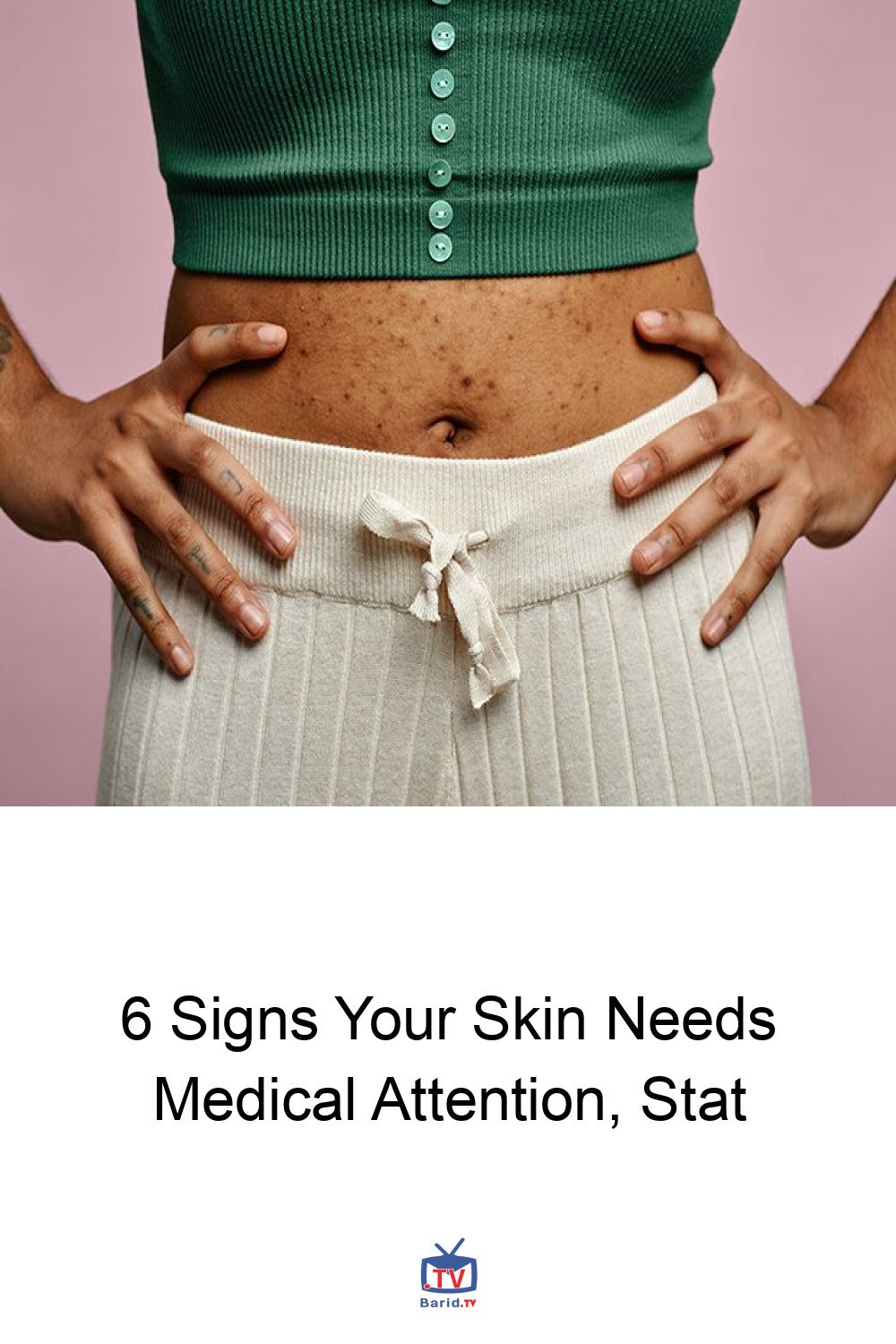
6 Signs Your Skin Needs Medical Attention, Stat
Warning Signs of Underlying Skin Conditions
Your skin is the most visible organ in your body, making it easy to notice when something seems off. While occasional skin issues like itchiness, breakouts, or ingrown hairs are normal, persistent symptoms may indicate an underlying condition that requires medical attention. In this article, we’ll explore six common skin symptoms that may signal a need to see a dermatologist.
1. Itchiness: A Possible Sign of Eczema or Allergies
If you experience persistent itchiness, it could be a sign of eczema, an umbrella term for several skin conditions, including atopic dermatitis. Eczema is characterized by inflammation, redness, and dryness, and may flare up occasionally before going into remission. Allergies can also lead to itchiness, so it’s essential to identify and avoid triggers.
2. Rashes: A Possible Sign of Eczema, Allergies, or Autoimmune Diseases
Rashes can affect the skin in various ways, including red, gray, brown, or purple patches, itchiness, raised bumps, and hives (urticaria). While a one-off or temporary rash might result from friction or chafing, a persistent rash could be a sign of eczema or allergies. However, different types of rashes can be a sign of other things, such as autoimmune diseases like lupus.
3. Dryness, Cracking, or Scaling: A Possible Sign of Psoriasis
Dry skin can be just that – dry skin. However, if your skin is so dry it makes you want to bathe in a vat of thick moisturizer, it could be a sign of psoriasis, an inflammatory skin condition potentially caused by an overactive immune system. Psoriasis can lead to dry, cracked, or scaling skin, and may involve a buildup of scales or plaques on areas like the elbows or knees.
4. Discoloration: A Possible Sign of Eczema, Psoriasis, or Rosacea
Changes in skin color – including red, brown, gray, or purple patches of skin – can be a sign of various skin issues, including eczema, psoriasis, or allergies. However, it can also be a sign of rosacea, a condition that typically involves persistent redness that looks like a sunburn or blushing.
5. Acne, Cysts, or Bumps: A Possible Sign of Underlying Conditions
While occasional skin bumps like pimples are normal, persistent skin bumps can be a sign of underlying conditions like acne, hidradenitis suppurativa (HS), or ingrown hairs. HS typically shows up in areas of high friction or where skin meets skin, such as the armpits or groin.
6. Mole Changes: A Possible Sign of Skin Cancer
Common moles are growths that develop when pigment cells (melanocytes) grow in clusters. However, an irregular mole, also known as a dysplastic nevus, is a type of mole that looks different from your common moles. If you have a dysplastic nevus (or several), schedule regular skin checks with a dermatologist to look for anything suspicious.
What to Do If You Experience Persistent Skin Symptoms
If you experience persistent skin symptoms, consider seeing a dermatologist for an evaluation. A dermatologist can provide a proper diagnosis and treatment plan to help reduce, or in some cases, resolve your skin symptoms. If you don’t currently have a dermatologist, your primary care physician or nurse practitioner can refer you to one.
Source: Link